What is SEO? A Complete Beginner’s Guide to How It Works in 2026
What is SEO?
SEO (Search Engine Optimization) is the anchor of search engine ranking. It is the process of improving a website’s visibility. SEO helps your website be visible higher in search results on Bing, Google, or Yahoo. In short, it helps your business/brand website be tracked by the target audience searching for the services/products you offer.
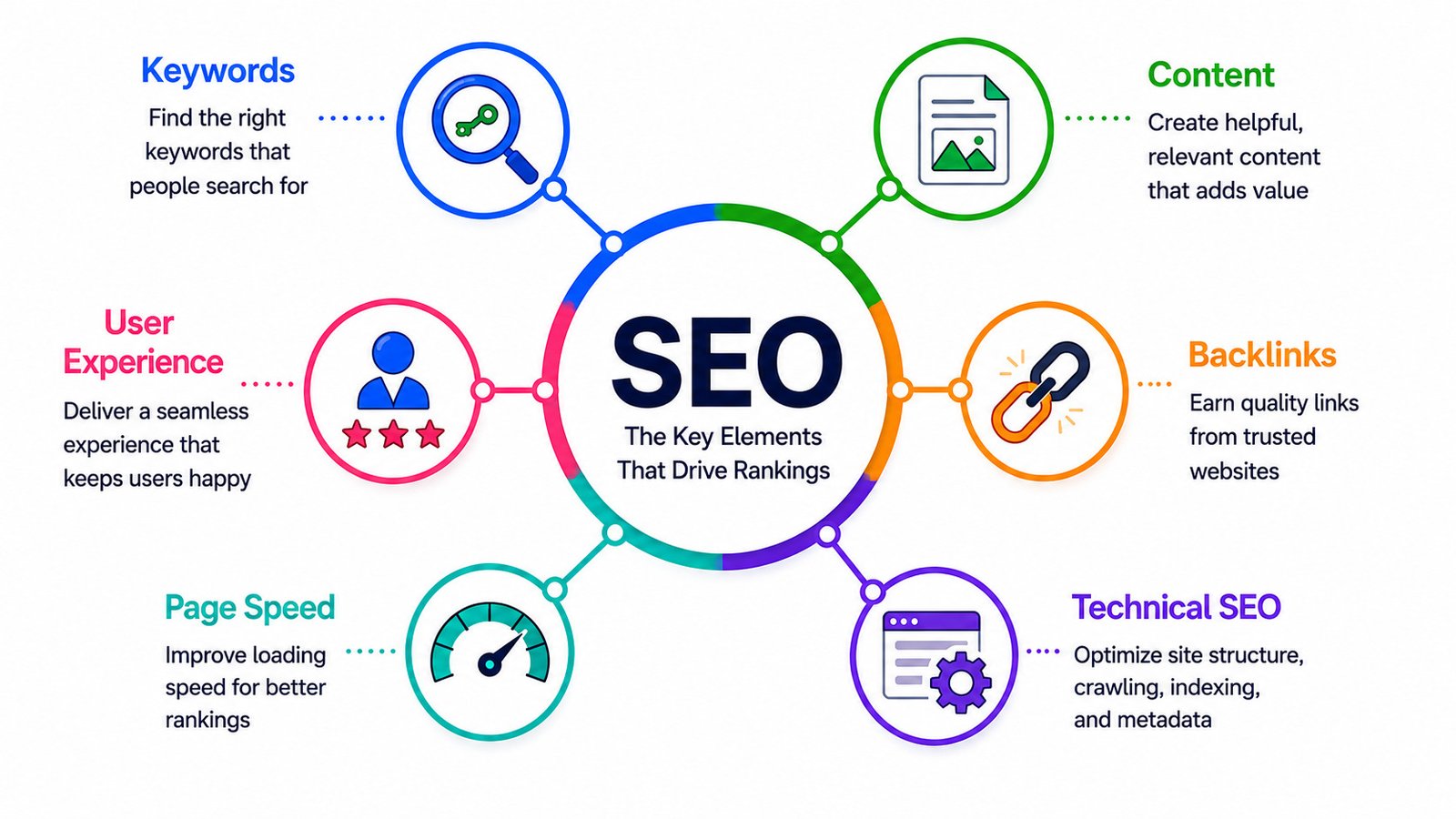
In simpler terms, SEO involves optimizing various aspects of your website. These include:
- Keywords
- Content
- Backlinks
- Page speed
Each of these elements is essential for search engines to understand your business better. Additionally, SEO helps search engines understand whether your content is valuable to users.
When SEO is implemented properly, it helps generate leads and increase visibility without spending anything on ads. This leads to organic search results for an audience who reach your website via search engines, rather than paid promotions. For a business, organic traffic is very important as it targets the audience with intent. It attracts an active target audience searching for products, services, or information similar to what your brand or business offers.
In short, SEO makes your website relevant. It helps build trust and make your website user-friendly, so search engines can track it and rank it higher, enabling users to discover it online with ease.
Why is SEO Important for Websites and Businesses?
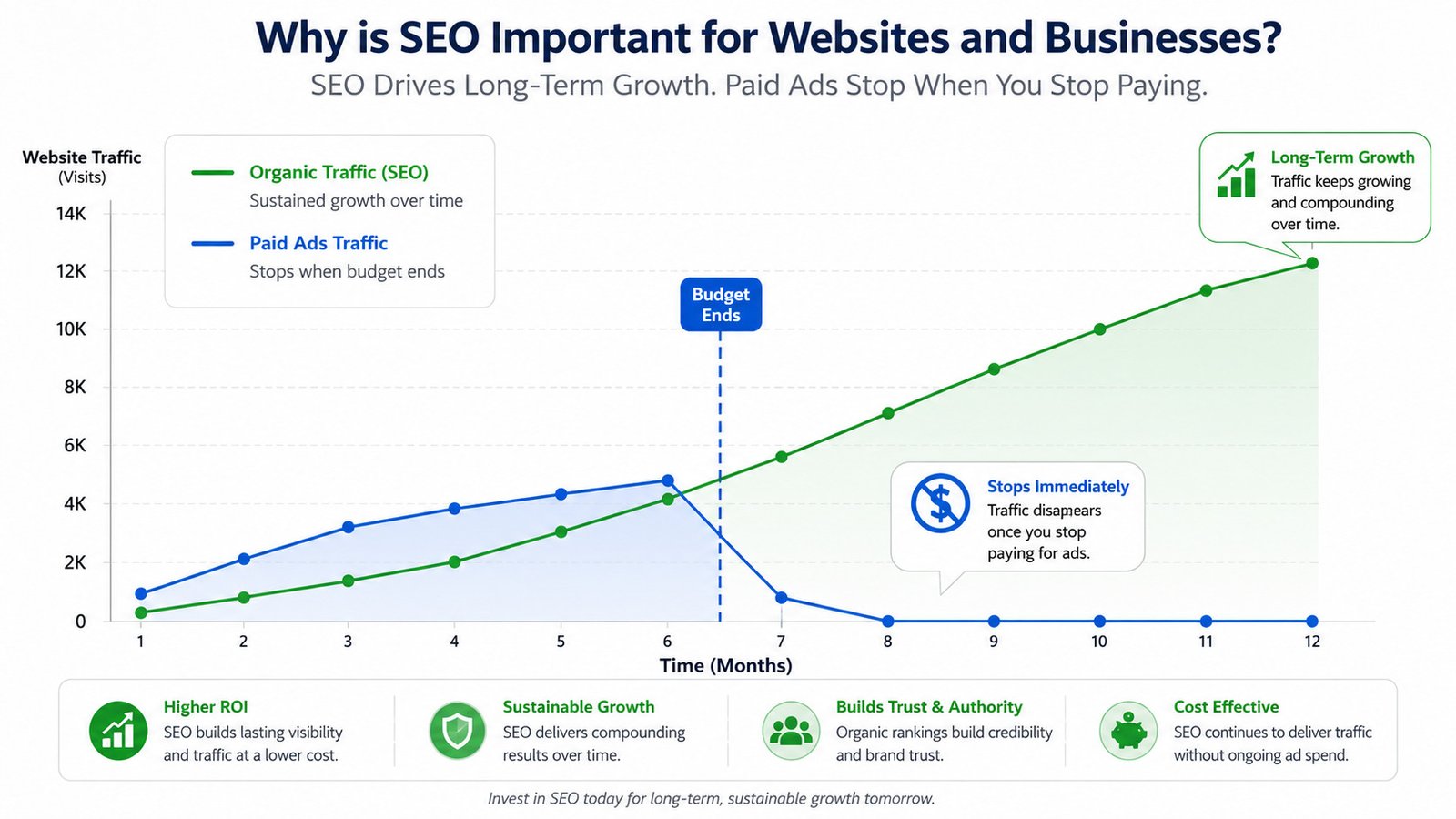
SEO is the arsenal that can take your website and business to new heights without spending on paid advertising. It helps bring a consistent flow of audience to the website and attract high-quality traffic. When a website ranks highly on a search engine, it becomes easier for potential users to find your business at the exact moment they are searching for similar services, products, or information.
One of the benefits of SEO is increased organic traffic. Compared to SEO, paid campaigns stop generating results once the budget runs out. SEO is not dependent on budget. It helps deliver long-term visibility and organic, continuous visitors. That makes SEO cost-effective, which promises long-term ROI.
Credibility and trust are yet another benefit of SEO. Users often tend to trust websites that appear on the first page of search results. All pages that are listed in the top 10 search results are associated with higher authority and reliability.
That makes optimizing content with SEO essential for improving the site’s performance. SEO also helps earn quality backlinks. Overall, it helps make your website more trustworthy for users and search engines.
From a business’s point of view, SEO is directly related to growth. Optimizing a website helps generate more leads, increase conversion rates, and increase revenue. This is done by targeting users with clear intent. Whether you run a large enterprise or a small business, SEO helps you compete in the digital marketplace. It helps build an online presence and achieve strong business results.
How SEO Works: The 3-Step Process Explained
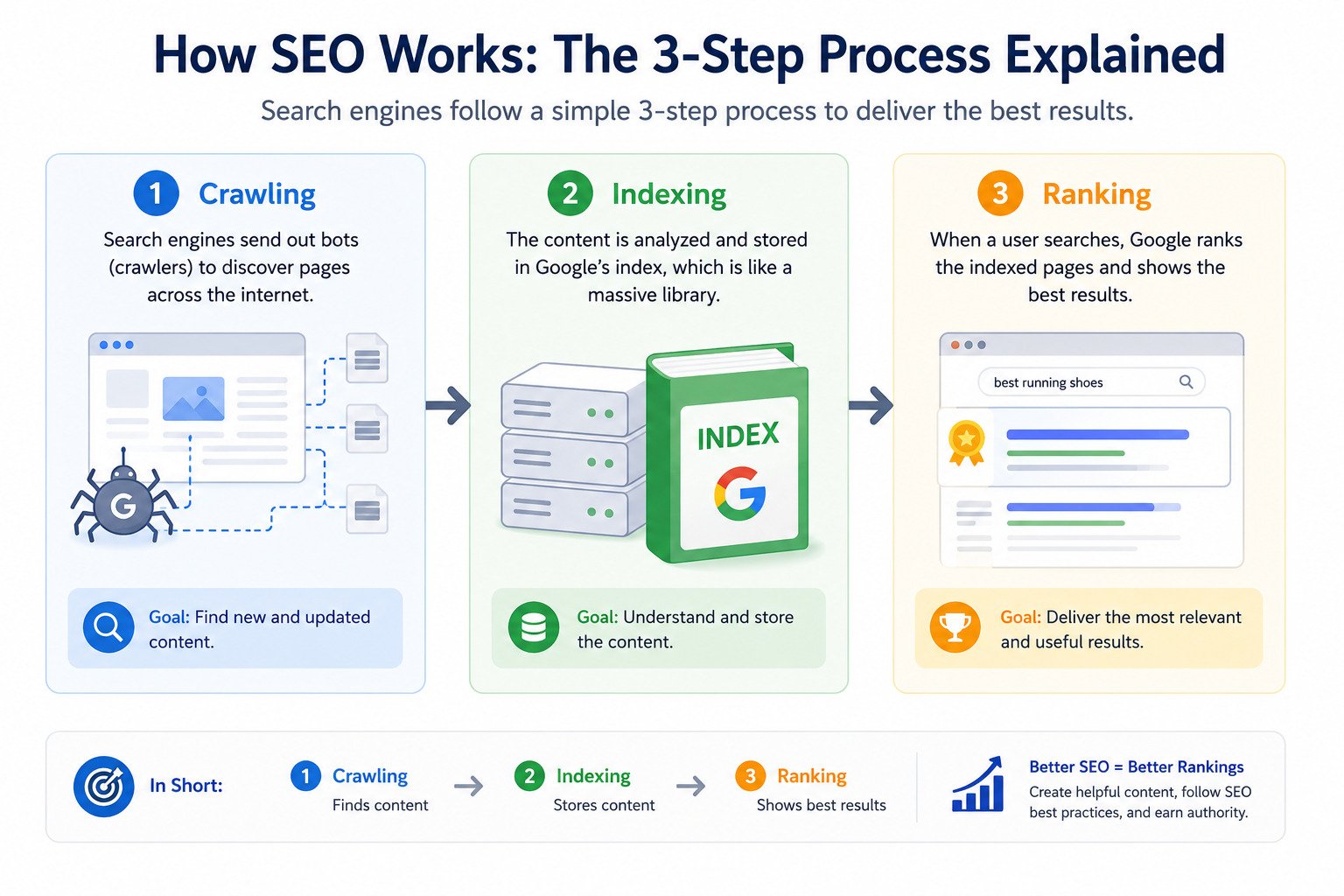
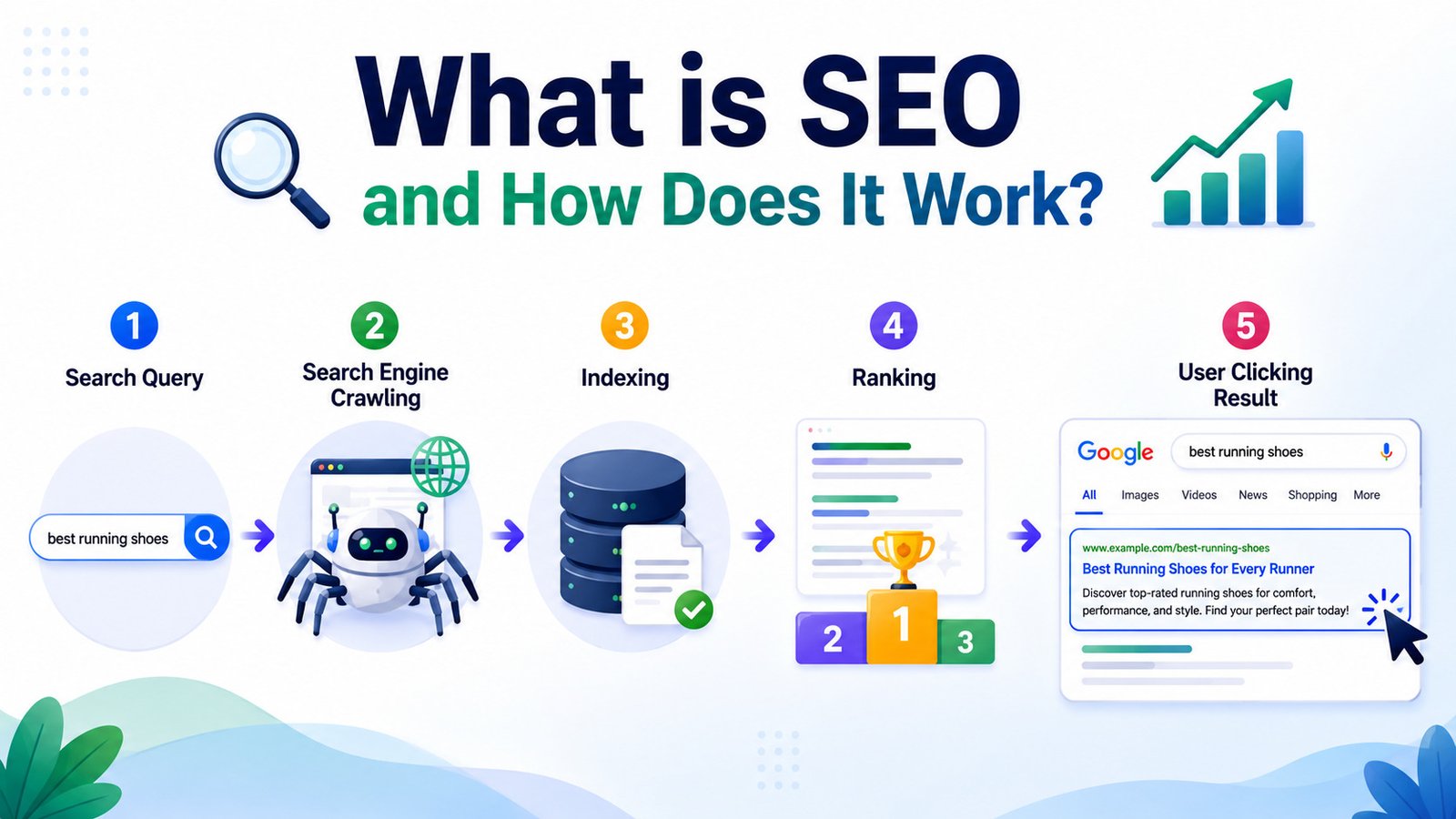
SEO plays a key role in ranking websites on search engines. For example, Google uses complex algorithms to deliver relevant results for every search query. There is no absolute formula. It is constantly evolving and follows three necessary steps, viz., crawling, indexing, and ranking.
Learning these steps helps understand how the website appears in organic search results. These appear as unpaid listings in online searches.
Crawling
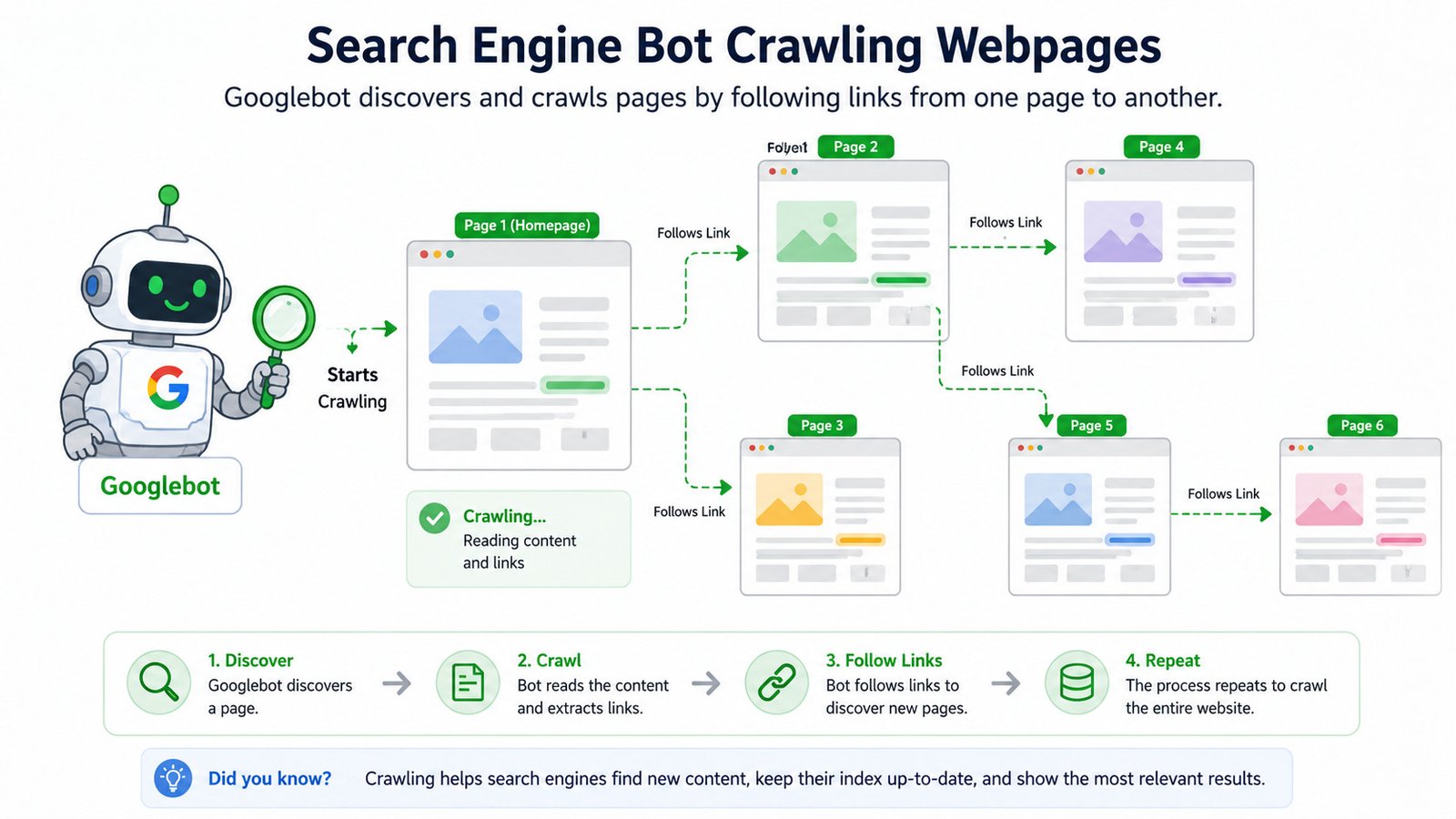
Crawling is the first phase of SEO. It is also known as the discovery phase. At this stage, search engines use automated programs. These are called spiders or bots. It is used to scan the online field and identify new and updated web pages.
How does crawling work?
Bots follow links from page to page and collect data from each page, including its content, structure, and metadata.
How to make Crawling work?
To make crawling easier, websites must have clear navigation. It must also contain internal linking and an updated sitemap. Search engines that fail to understand the page or cannot access it cannot move to the next phase.
Technical elements such as mobile responsiveness, site speed, and clean URLs are vital to ensuring the site is crawled effectively.
Indexing
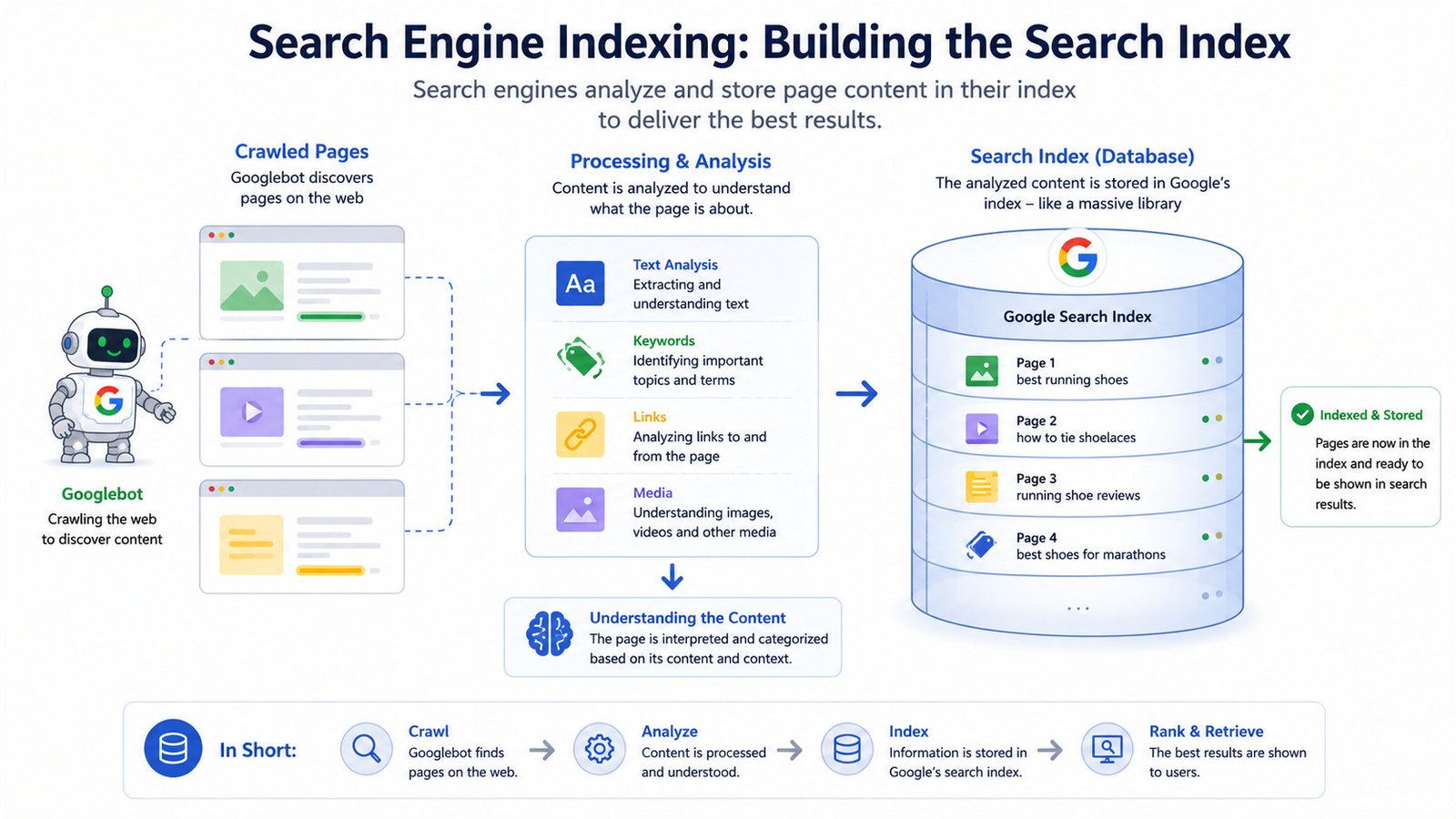
Crawling helps in discovering the page. The next phase is indexing. It helps search engines evaluate the content. Later, it stores the massive database, known as the index. During this process, the search engine tries to learn what the page is about and analyses the keywords, images, headings, and the overall context of the text.
Not all pages are indexed. The search engine picks valuable pages. For a website to be indexed, the pages must be high-quality and original. Pages that are successfully indexed appear in the search results.
Ranking
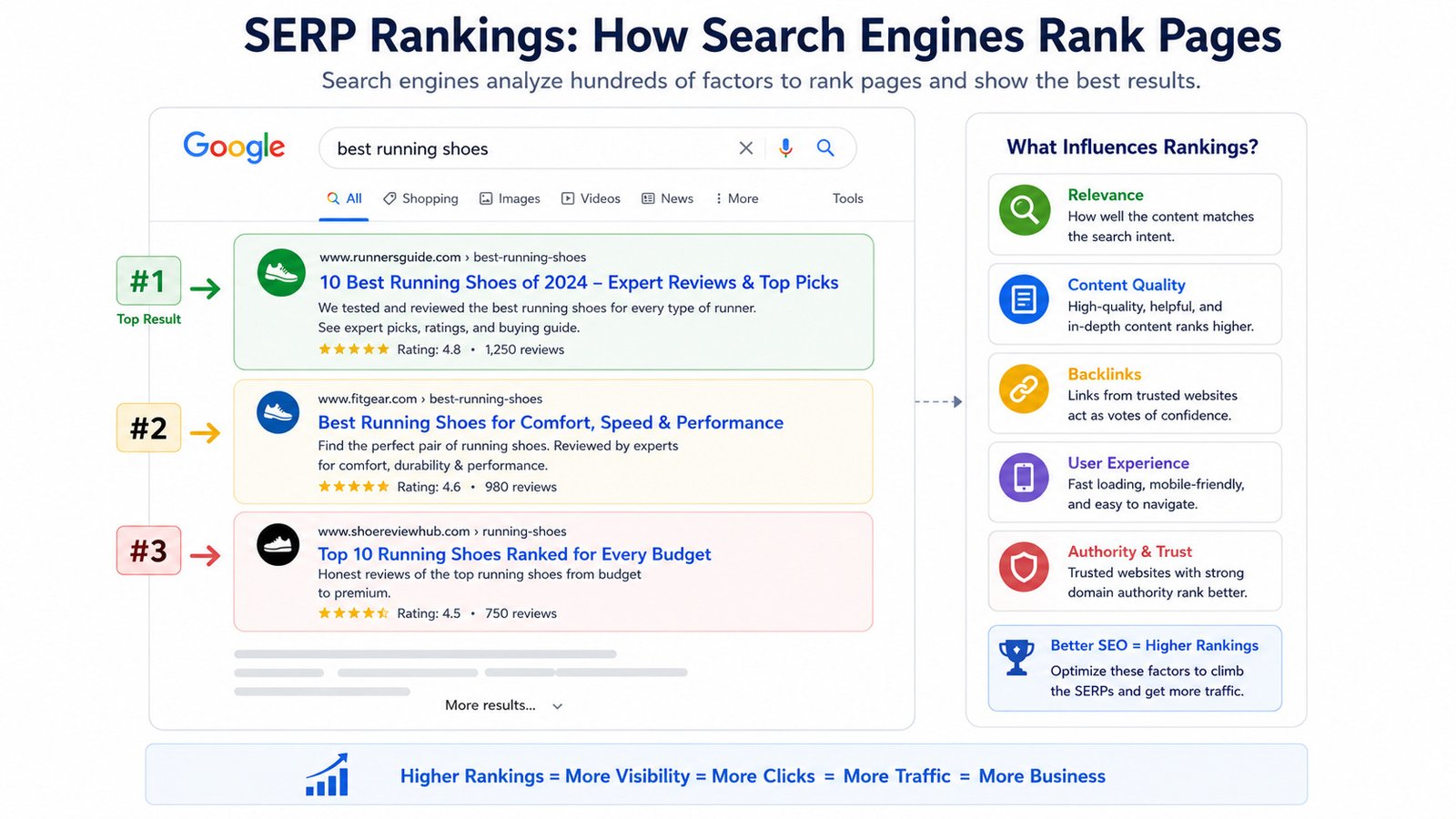
The third important key step is Ranking. In this phase, the search engine determines the order of the pages in the search results. The process of algorithms comes into play in this phase, called Ranking. In addition, the search engine also evaluates many other factors. These include:
- Quality of content
- Keyword relevance
- User experience SEO
- Domain authority
- Page speed
- Backlinks
The overall goal is to ensure the search results are helpful and build user trust. Websites that best match the search intent provide a better user experience, which can help them rank higher. It further increases visibility, drives higher traffic, and improves your business’s ROI.
Types of SEO You Need to Know
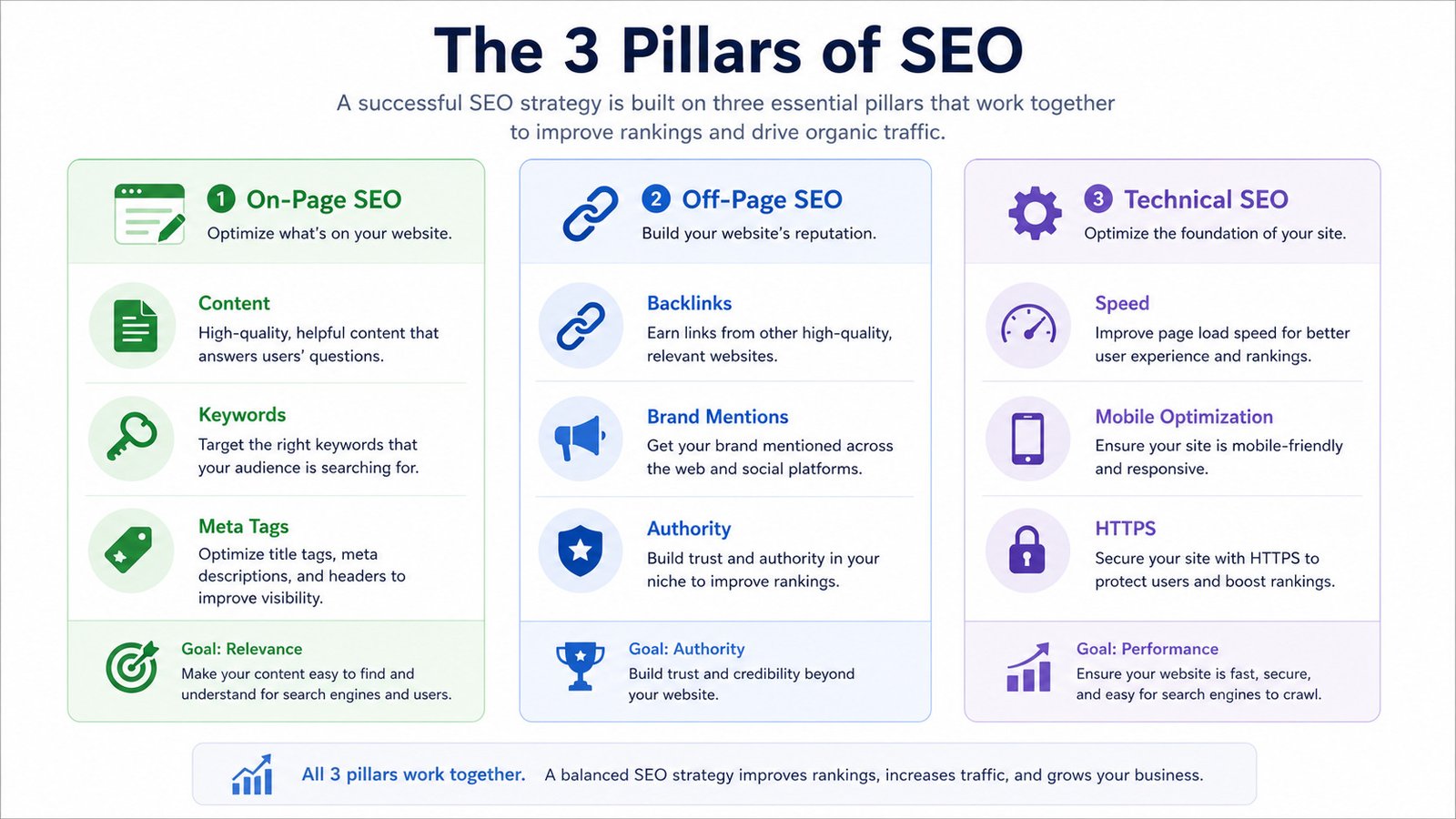
SEO is not a one-size-fits-all process. It is a combination of many smaller strategies and steps, balanced together, to improve the website’s overall search engine performance. It helps in improving the website’s visibility.
In broader terms, there are three types of SEO: on-page, off-page, and technical.
Each type of SEO plays a unique role in helping your business website rank higher and attract organic traffic.
On-Page SEO
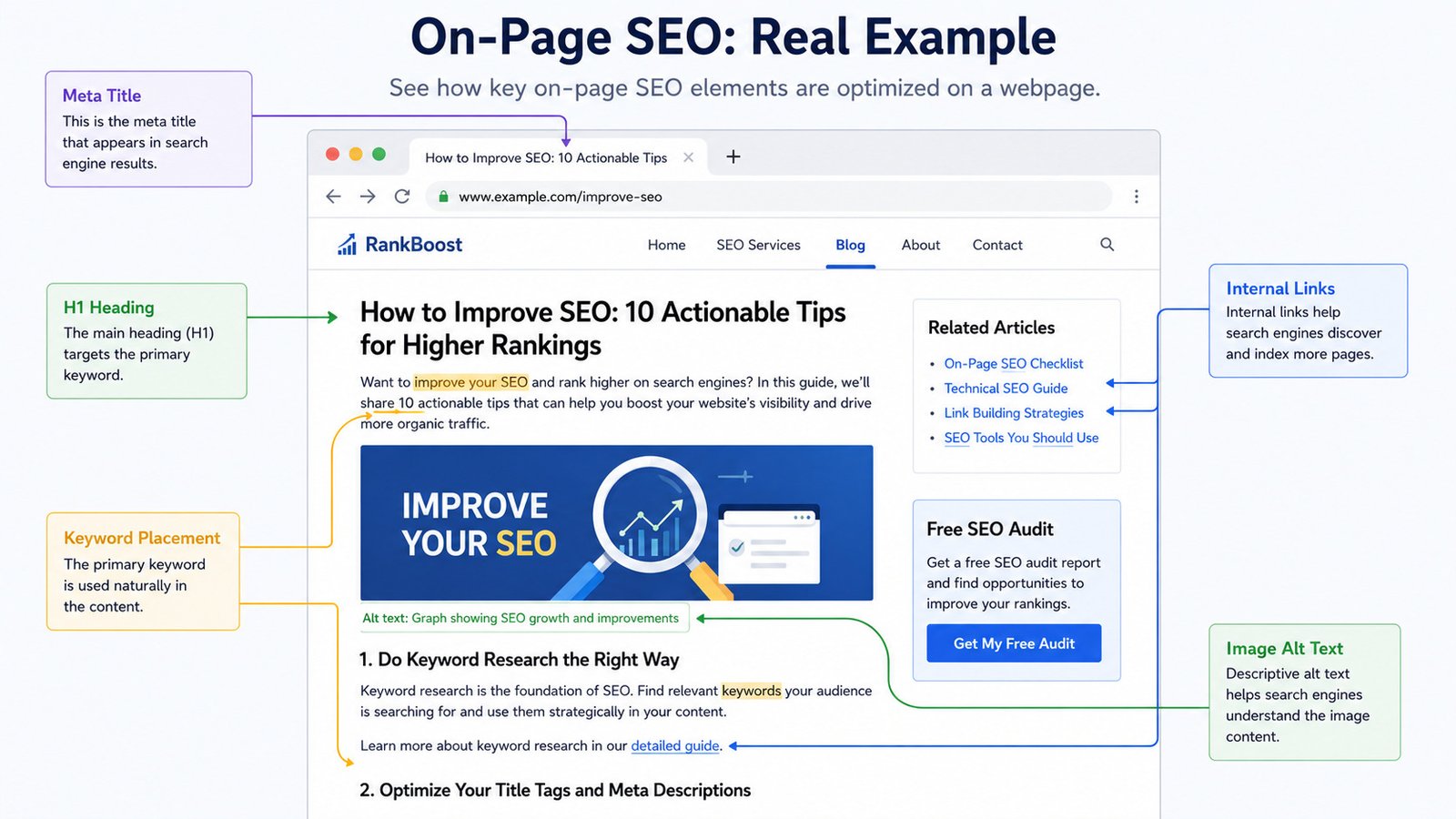
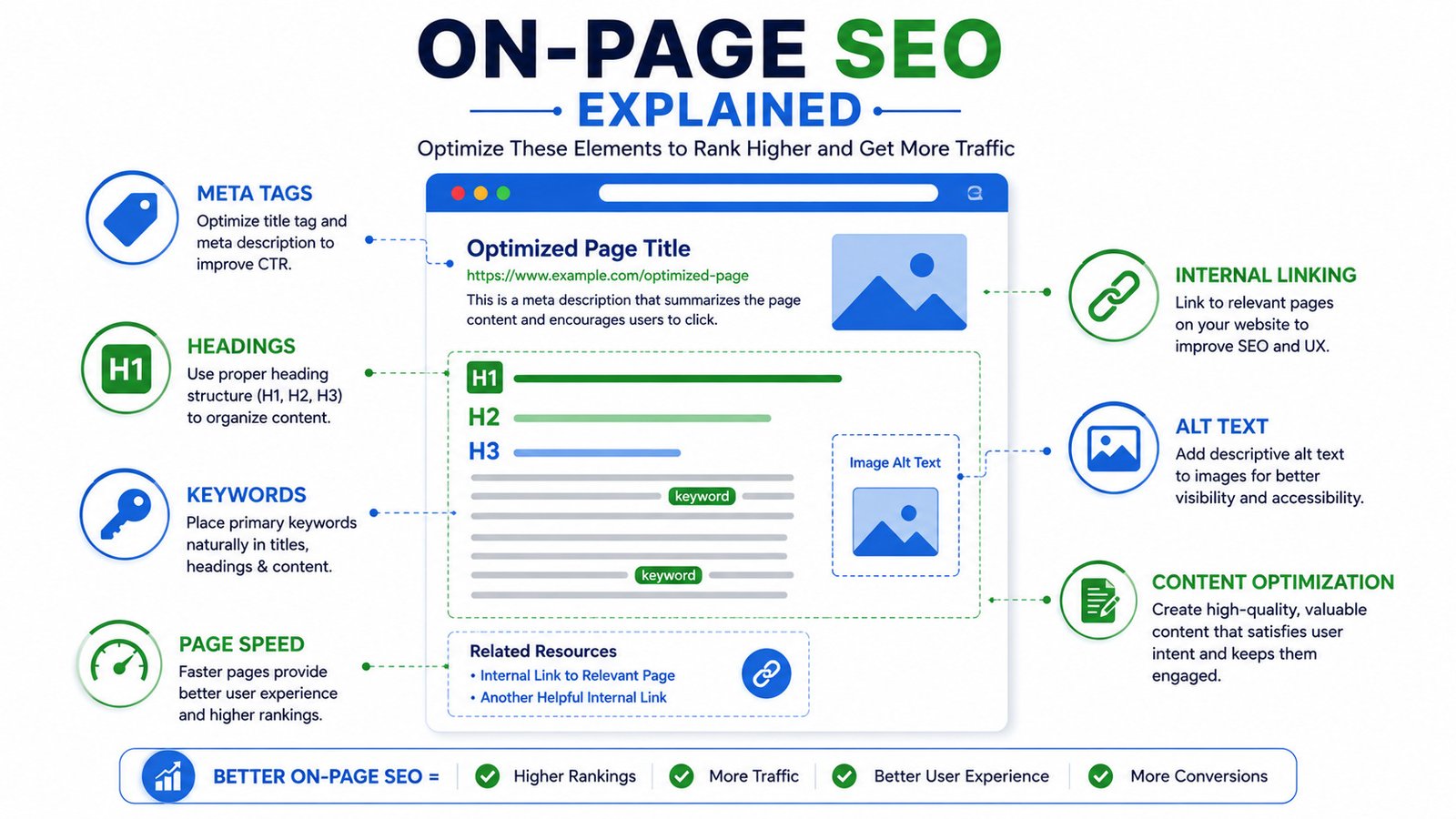
On-page SEO largely focuses on optimizing content within your website. This encompasses using the right keywords, which are applied broadly to headings, subheadings, and the body of the content. It enables the search engines to understand what each of your website pages is about. The core of on-page SEO is:
- High-quality content
- Relevance
- User-friend content
The other essential aspect of on-page SEO is optimizing meta tags. These are title tags and meta descriptions, which help in influencing how the page appears in search results. Accurate use of header tags (H1, H2, and H3), internal linking, and image alt text helps improve the user experience and search visibility.
In short, on-page SEO enables the content to be valuable, clear, and aligned with user search intent.
Off-Page SEO
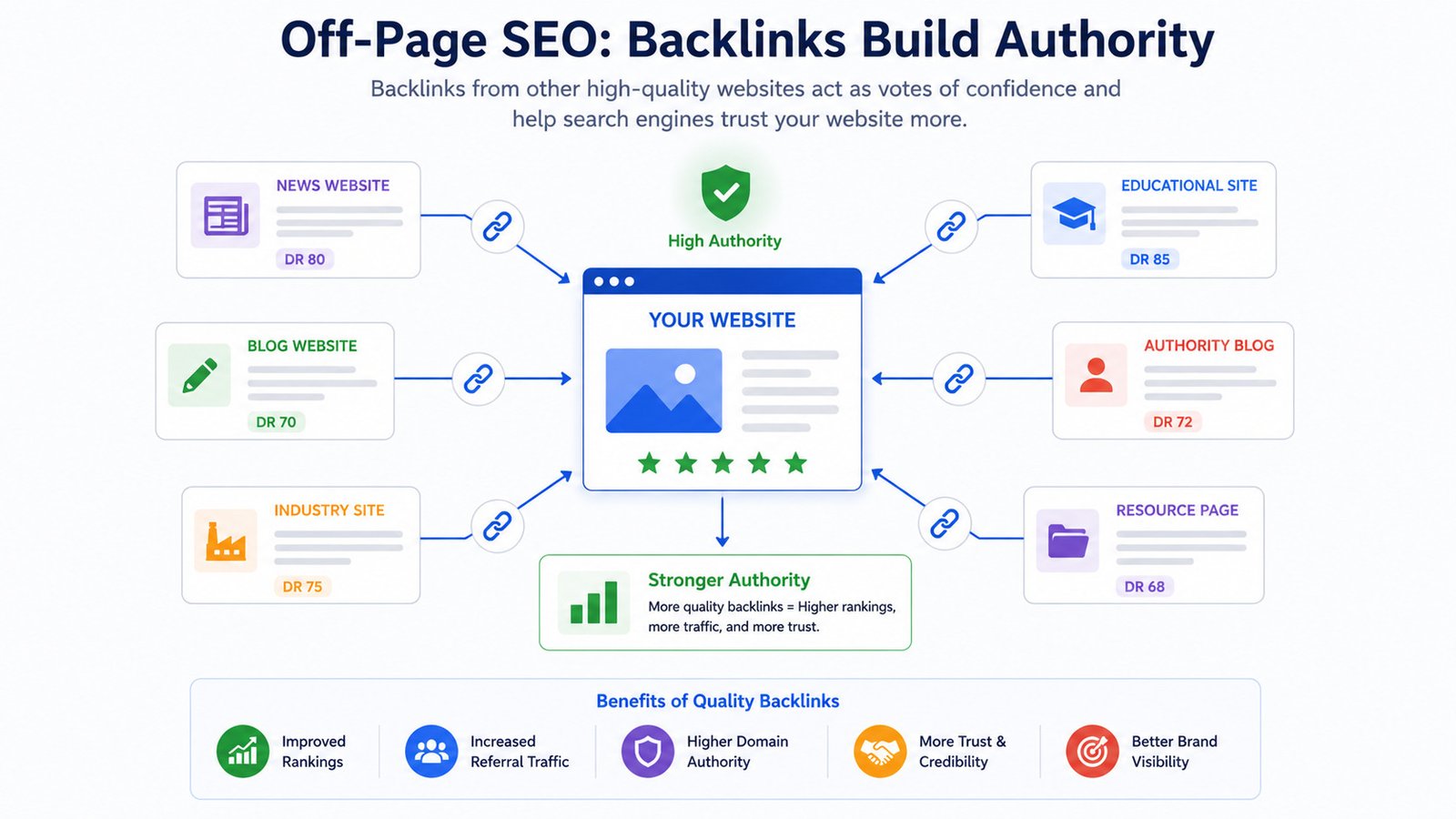
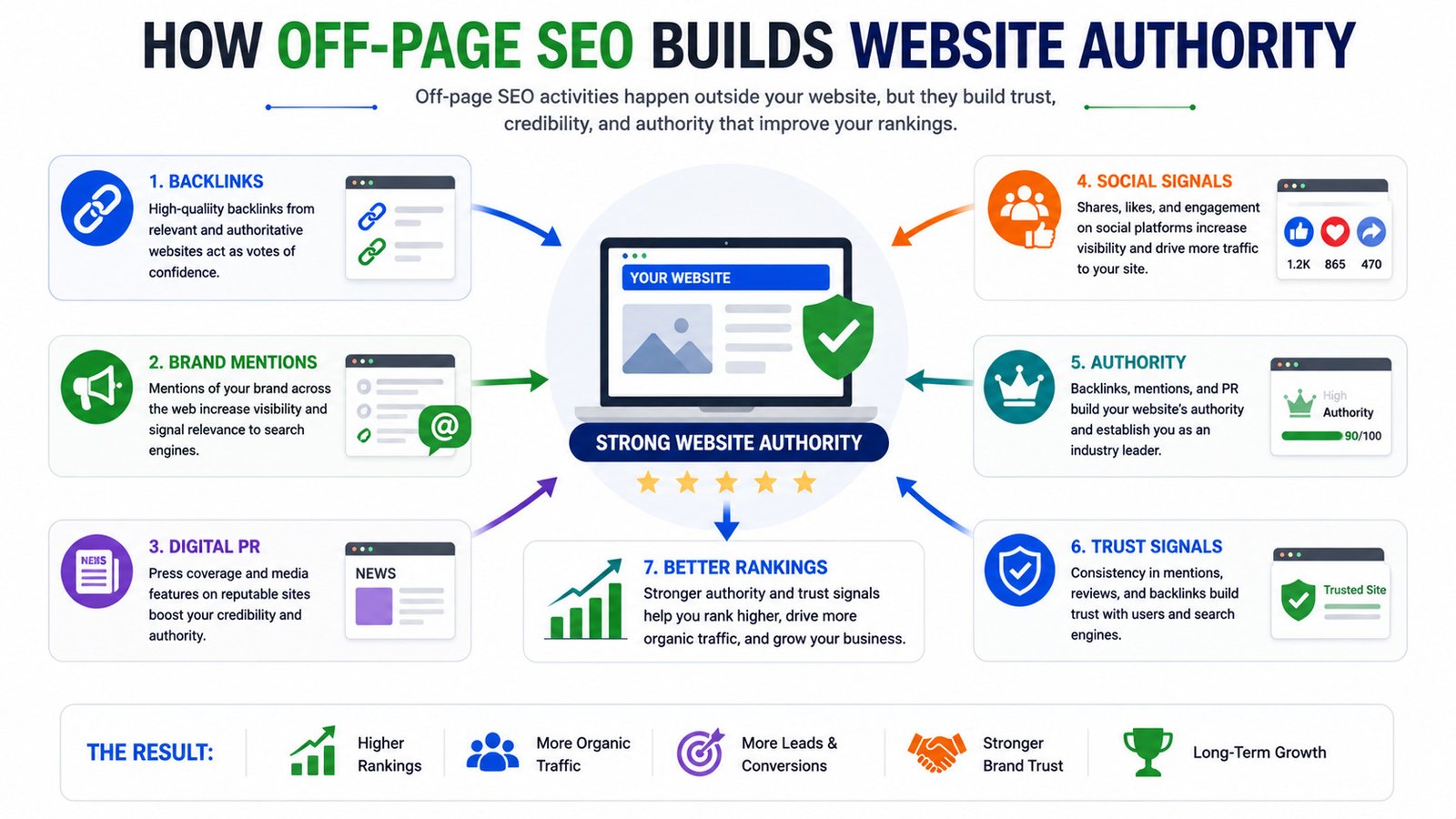
Off-page SEO is the actions that are implemented outside the website. It helps improve the website’s authority and credibility. One of the important factors of off-page SEO is backlinks. These are links from other websites that point to your site.
Search engines use these links to boost a website’s credibility, especially when they come from reputable, relevant sources.
Domain authority is another key element of off-page SEO. It reflects the level of trust and influence the website appears to the search engine compared to competitors. Off-page SEO also includes other features such as:
- Brand mentions
- Social signals
- Online reputation.
A website with a strong external presence is more likely to rank higher.
Technical SEO
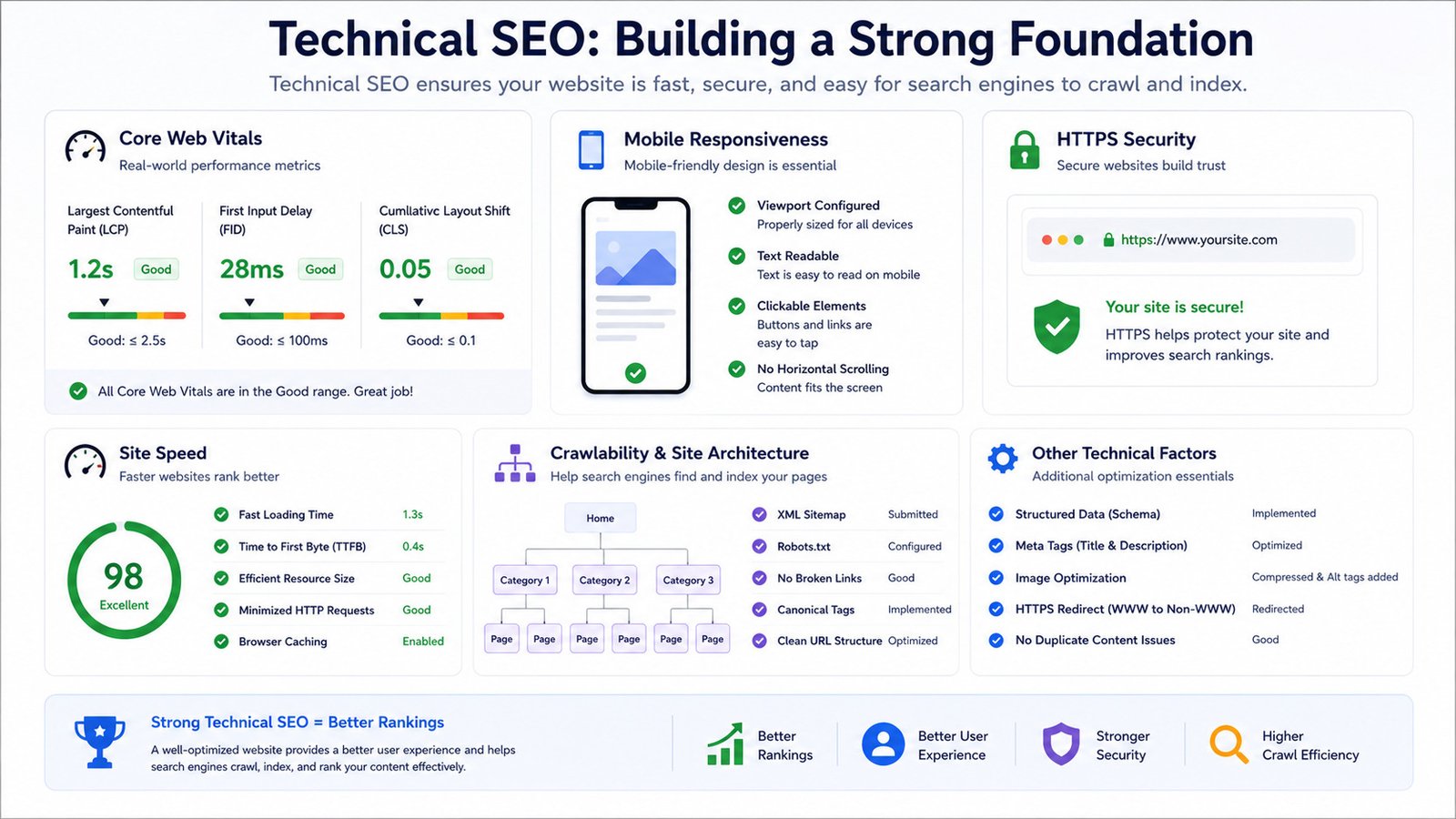
The third important type of SEO is Technical SEO, which focuses on optimizing the website’s backend structure. It enables the search engine to crawl the content and index the data effectively. Incorporating technicalities helps increase page speed, allowing websites to load faster.
A website that loads quickly enhances the overall user experience.
Another important factor for technical SEO is mobile optimization. Most users browse on their phones. Responsive websites improve navigation across all screen sizes.
Core Web Vitals: These are essential for helping search engines measure overall loading performance, website visual stability, and interactivity, which together help improve rankings.
Other technical features include clean URL structures, secure connections (HTTPS), link fixes, and XML sitemaps. These elements allow your websites to work smoothly and meet the set standards. Overall, they help in building a strong foundation for all other SEO efforts.
SEO Basics for Beginners: How to Get Started
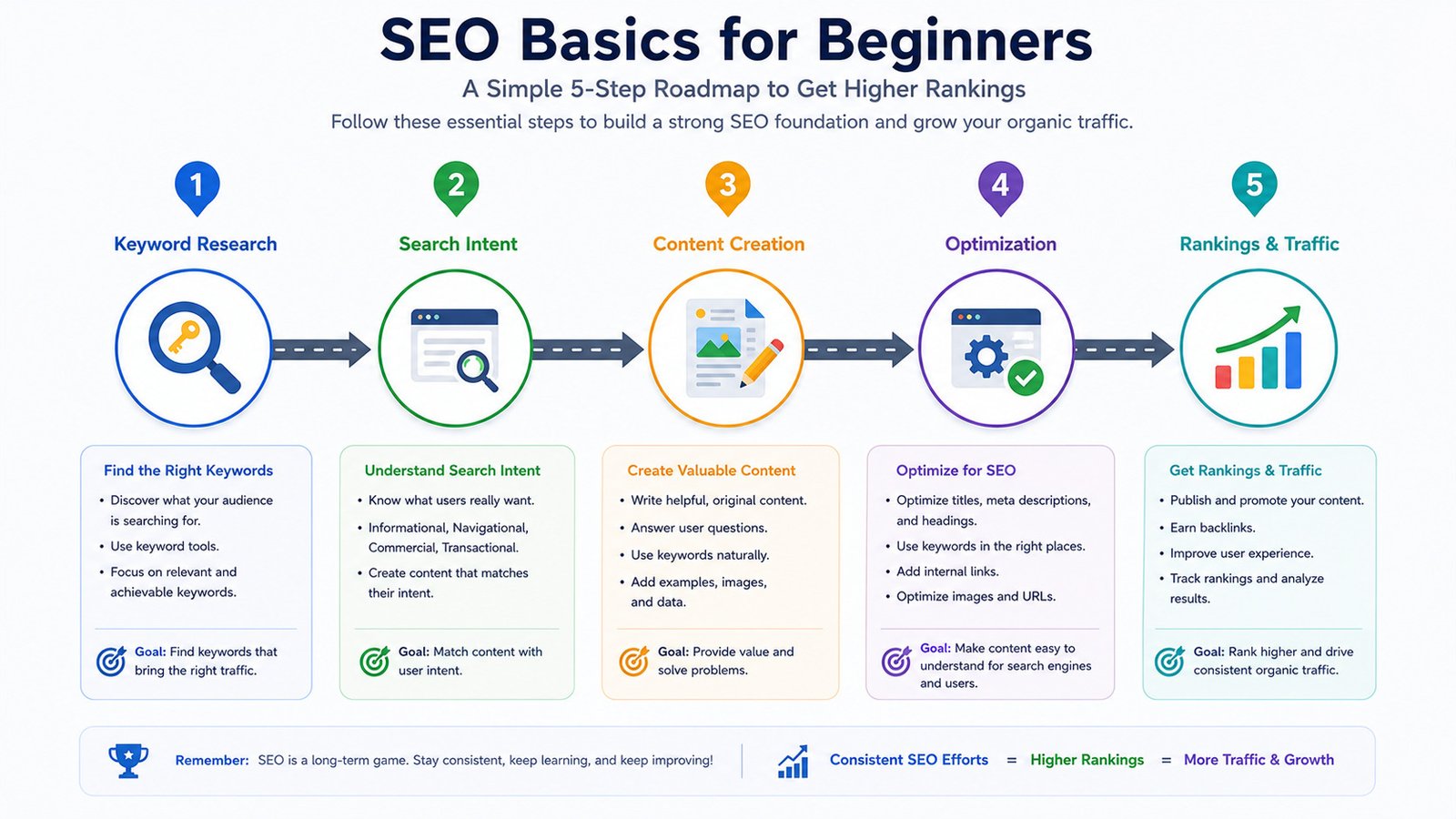
Getting started with SEO as a beginner does not require any rocket science. The SEO basics for beginners are the foundation set by gaining a strong understanding of the audience. Secondly, it involves creating content that aligns with the user’s search query. The foundation of SEO is centered on three key areas, viz:
- Keyword research
- Search intent optimization
- Content Creation
Let us learn about each of the areas in detail:
Keyword Research
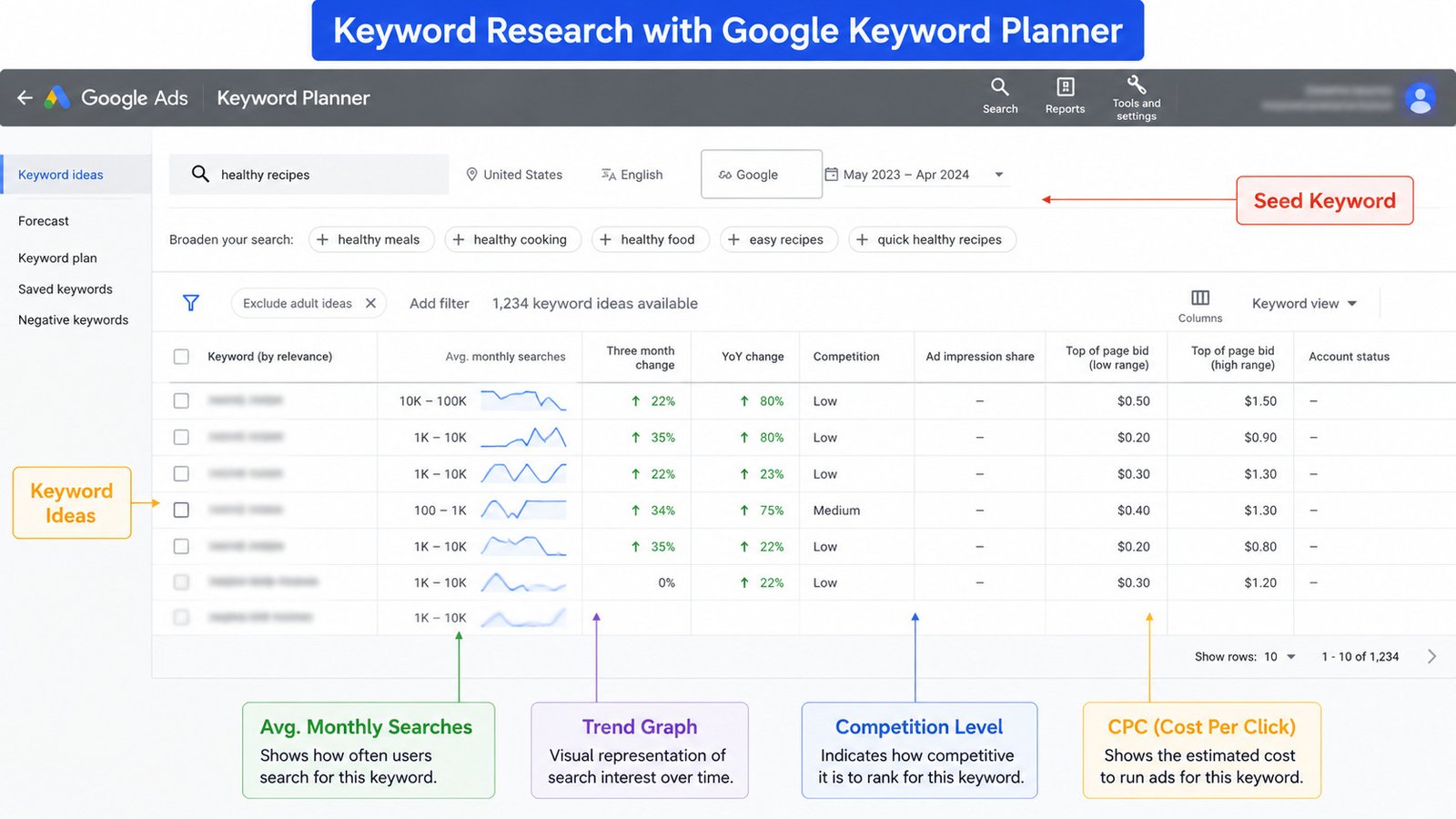
The first key area is Keyword Research. Keywords are extremely important for search engines. These are a mix of phrases and words people use when searching on the search engines.
Identifying relevant keywords in your niche helps you create content that aligns with search intent. There are myriad tools for beginners in SEO. SEO tools such as Ubersuggest and Google Keyword Planner can help find ideas. Additionally, they can also use Google’s autocomplete feature to find relevant suggestions and ideas.
The focus should be on finding long-tail keywords and high-volume search terms (more specific phrases) that are easy to rank and attract genuine targeted traffic.
Search Intent Optimization
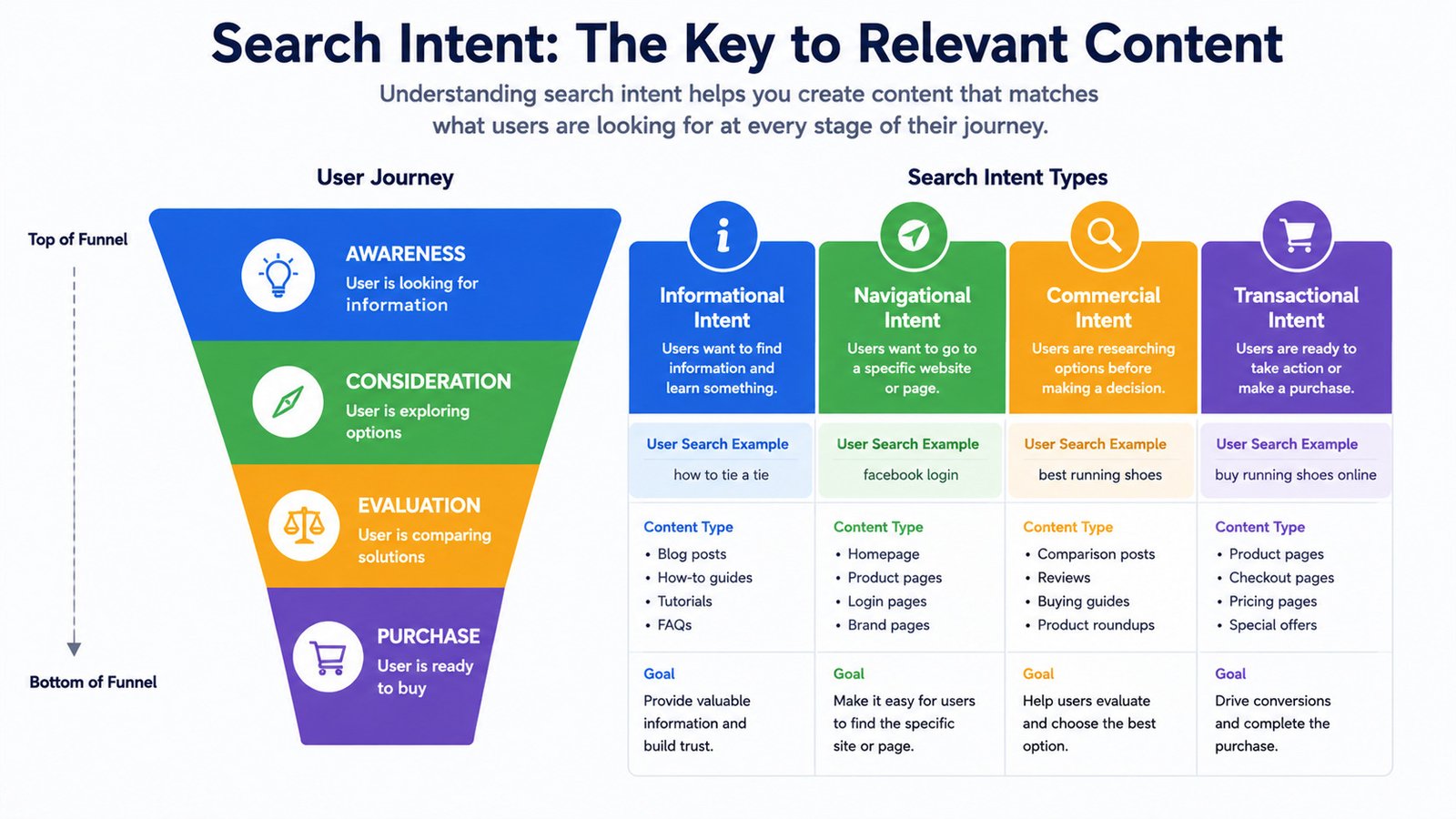
The second necessary feature is search intent optimization. This refers to what the user is searching for. Not all user searches are the same. Some may look for information, while others may want to compare options or purchase a product. Hence, understanding the intent behind each keyword helps create the right type of content.
For example:
A user searches for “What is SEO?”
This would require a detailed, informative article. On the other hand, a search for “best SEO tools” must provide a comparison or list-based post.
Matching content to user intent improves engagement and increases the likelihood of ranking your website in search results.
Content Creation Basics
The third important key feature is content creation basics. As an SEO beginner, you must ensure the content is clear, useful, and readable. It must have a few features like:
- Proper headings – H1, H2, H3
- Use target keywords naturally in the content without making it look forced
- The content must add value to the reader
- Avoid keyword stuffing
First, write user-friendly content, then optimize it for search engines. Adding visuals, examples, and internal links enhances the user experience.
SEO vs Paid Ads: What's the Difference?
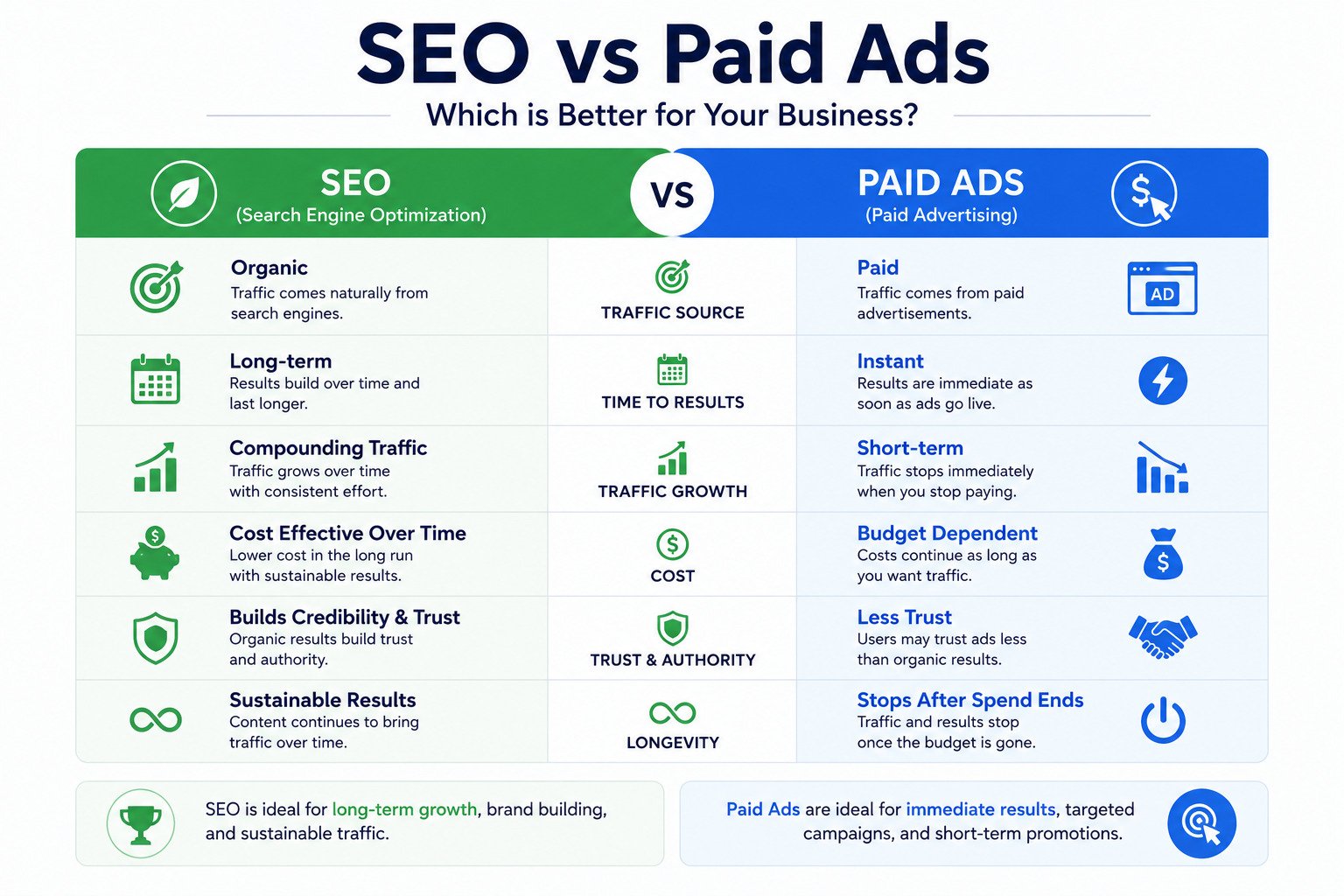
SEO and paid advertising are both essential strategies for increasing visibility in search results. However, they work differently. The primary difference is in how traffic is generated for organic vs. paid campaigns.
User Traffic
SEO mainly focuses on organic traffic. It means visitors arrive on the website through search engines and not paid campaigns. It includes optimizing content, improving the structure, and building authority.
In contrast, paid ads such as Google Ads ensure the website is among the top results. These are marked as sponsored results.
Long-Term vs Short-Term Investment
The next key difference is its impact. SEO provides a long-term investment. Although it takes time to see results, once it is ranked, it can drive consistent traffic without ongoing per-click costs.
Paid ads, by contrast, provide immediate visibility. That makes it ideal for promotions, time-sensitive campaigns, and launches. However, you will stop receiving traffic once you stop paying for ads.
Cost and Sustainability
SEO, i.e., organic vs paid ads. SEO allows higher ROI. Whereas paid ads bring instant results. Most businesses use a combination of SEO and paid ads to improve their website’s performance.
The SEO Process: Step-by-Step Framework
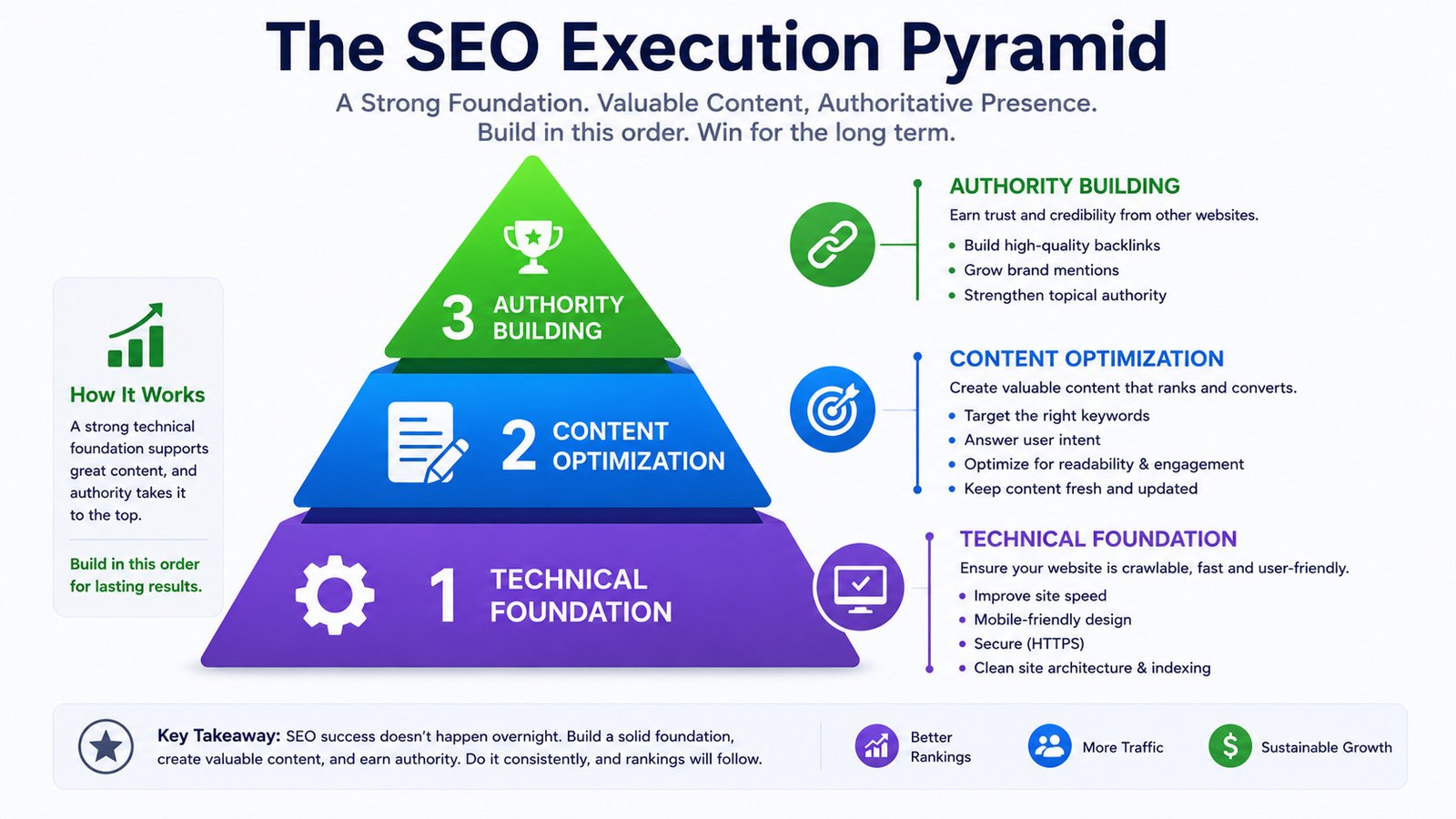
SEO delivers the best results when it is structured and approached as a long-term process, rather than a one-time task. In simple words, the SEO process can be understood using the SEO Execution Pyramid.
What is the SEO Pyramid?
It is a process of building a framework, layer by layer. The framework assists in prioritizing efforts. It ensures sustainable growth by measuring organic search performance.
Technical Foundation
The base of the pyramid comprises the website’s technical health. A strong base will ensure the content performs best. It includes:
- Optimizing page speed
- Mobile responsiveness
- Fixing broken links
- Ensuring crawling and indexing of your site
Technical SEO includes three key aspects
- Implementing HTTPS security
- Building XML sitemaps
- Improving Core Web Vitals
Using a combination of these factors helps in improving user experience and search engine accessibility. Technical fixes tend to support long-term SEO success and sometimes deliver quick improvements.
Content Optimization
The next step is content optimization. It involves:
- Adding keyword searches
- Understanding user search intent
The SEO goal is to provide high-quality content that answers user queries better than competing pages.
The process of content optimization includes the following:
- Incorporating keywords naturally
- Structuring the content
- Adding appropriate headings
Other aspects include writing meta tags and ensuring the information is up to date.
The content must be published regularly. It helps maintain the website’s relevance and improve its ranking. This layer of the SEO pyramid helps improve content ranking and build long-term visibility.
Authority Building
At the peak of the SEO execution pyramid is authority building. This feature aims to increase the website’s credibility and trustworthiness by leveraging backlinks.
These are links obtained from other reputable websites that direct to your content. The more backlinks your website includes, the more search engines will tag your site as a reliable source. Authority-building includes social proof, brand mentions, and online reputation management. Unlike paid ads, this process takes more time to build a lasting impact.
Overall, SEO is balancing short-term and long-term strategies. The technical fixes and content updates help in delivering quick results. On the other hand, authority-building helps drive sustained organic growth and business success.
How Long Does SEO Take to Work?
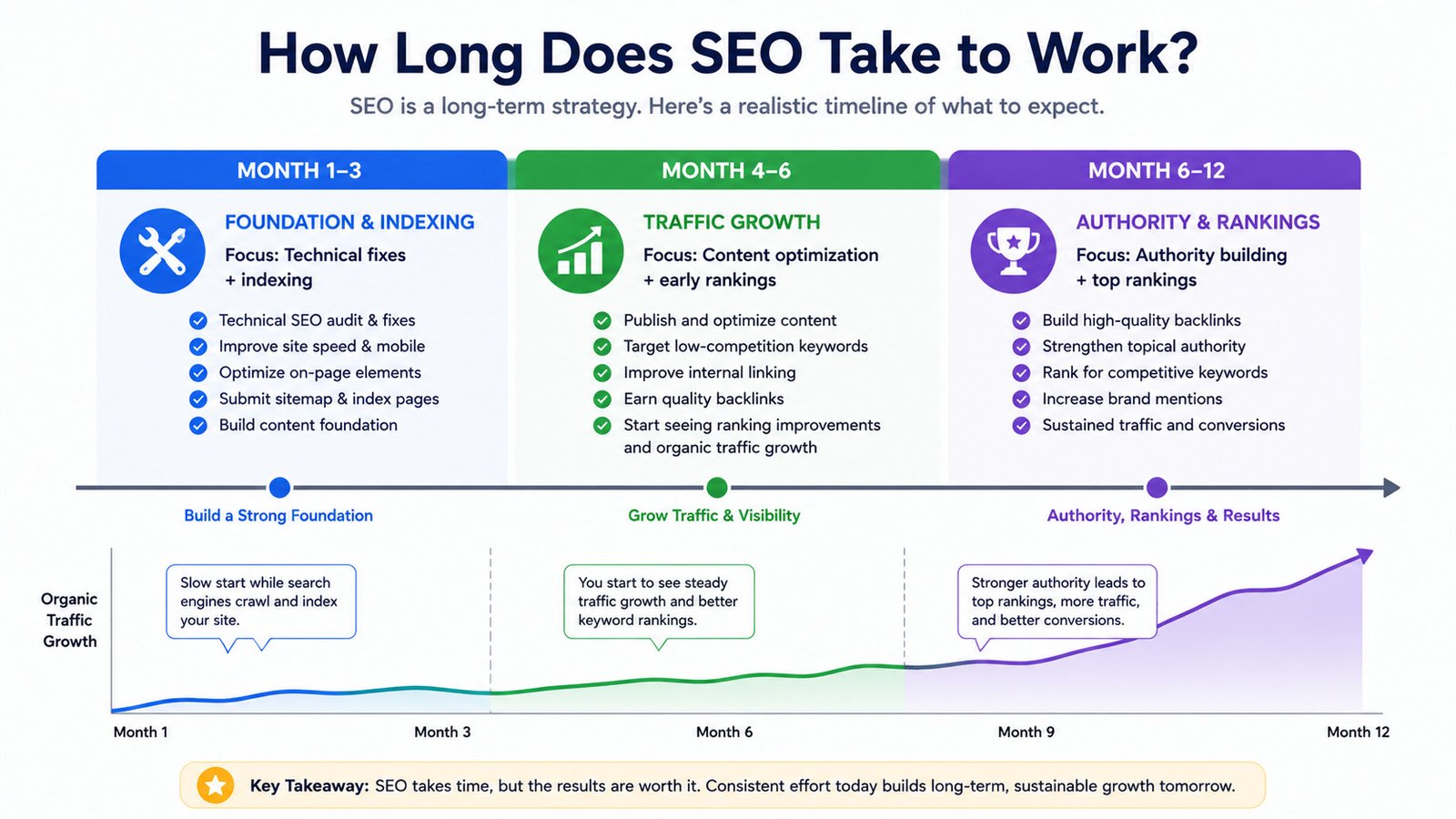
SEO, as a process, requires patience balanced with consistency to achieve meaningful results. Most of the time, websites begin to notice improvements within the initial 3 to 6 months. On the other hand, newer websites and competitive industries may take 6 to 12 months (sometimes even longer) to achieve top search rankings and consistent organic traffic.
The timeline depends on multiple factors, which include:
- The website’s current state
- Level of competition
- Keyword relevance and difficulty
- Quality of SEO efforts
For example, if your website isn’t driving traffic, you can improve it by fixing technical issues or optimizing the content. However, building authority through backlinks will take longer.
SEO requires setting realistic strategies. It is a long-term investment that yields permanent outcomes. At the same time, paid ads deliver immediate results.
SEO focuses more on sustainable growth. Early phases of SEO may involve gradual improvements in rankings and visibility before driving increased traffic.
Consistency is a major factor in improving the results. Regularly publishing high-quality content, using the right keywords, and improving the user experience help accelerate progress.
Over time, these efforts will help build momentum and improve ranking, leading to better business outcomes.
In simple terms, SEO is a gradual process rather than a quick one, and when done correctly, it tends to deliver lasting value to the website.
Common SEO Mistakes Beginners Should Avoid
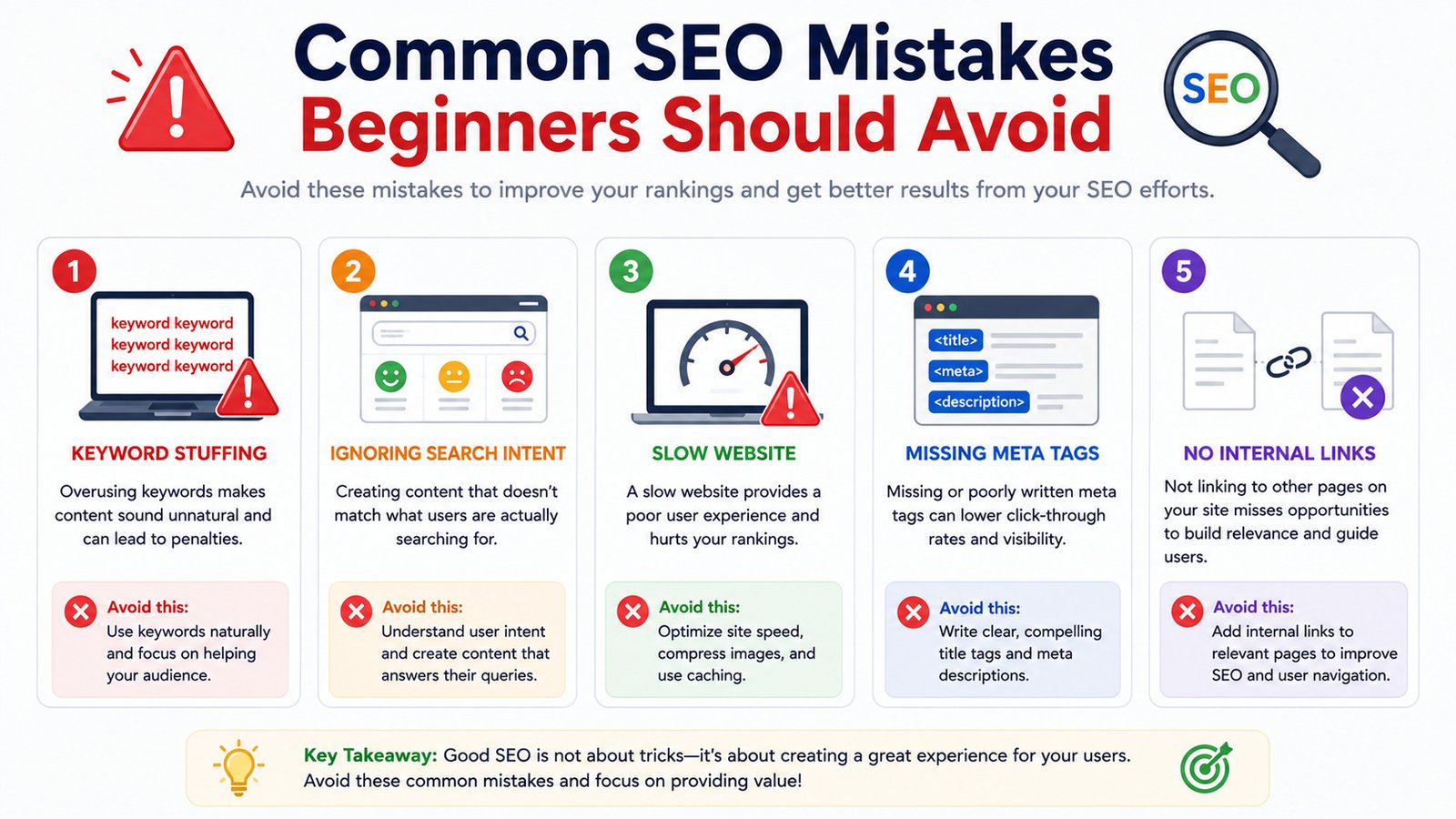
When not implemented properly, SEO can slow the website’s progress. As a beginner, it is easy to make mistakes that can harm the rankings. Understanding common pitfalls can help you build a strong SEO foundation as a beginner.
Some of the common mistakes to avoid as a beginner are:
Keyword Stuffing
Keywords play a vital role in SEO. However, overloading content with keywords can only bring down its impact. This not only makes the content look hard to read but also leads to search engine penalties.
Solution: Use keywords naturally by ensuring the content aligns with user intent and enhances the user experience.
Ignoring Search Intent
Content is not just for driving your place in the search results. Content that fails to align with user intent will fail to drive traffic, even if it is well-written.
Solution: Ensure the content aligns with the information the user is searching for, whether it is for comparison, purchasing, or something else.
Technical SEO basics
Elements such as slow loading speed, broken links, and poor mobile optimization can again affect your website’s performance in Google search results. These factors directly affect your site’s crawling and user interactions.
Solution: Always work on fixing SEO to avoid losing authority with search engines.
Not Optimizing Meta Tags
Meta tags and meta descriptions are equally essential aspects of SEO. Not optimizing meta tags can reduce your click-through rate, even if the page ranks well.
Solution: Incorporate and optimize meta tags and meta descriptions as per the target keyword to increase visibility.
Internal linking
Neglecting internal linking can weaken your position in search results and make it difficult for search engines to understand your site structure.
Solution: Include internal links in your content to help users navigate your website.
Lastly, the most common mistake beginners make is expecting quick results when they don’t see them right away. As a beginner, remember that SEO takes time. Consistency in efforts guarantees success.
The way to successful SEO is to avoid shortcuts, be consistent, and create valuable content to ensure long-term growth.
SEO Tools That Help You Get Results
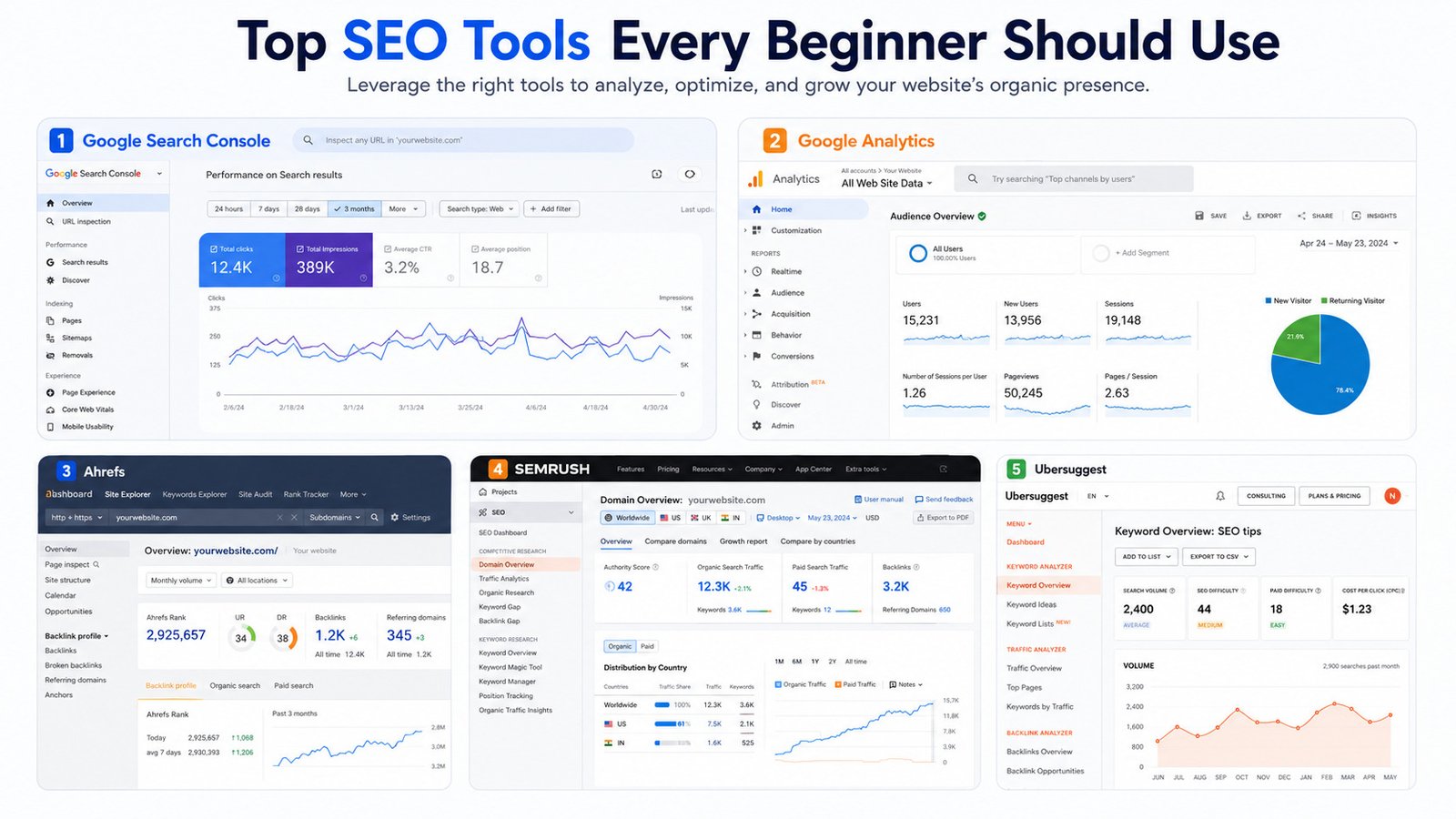
SEO tools play an essential role in ensuring you get effective results. Hence, using the right tool can make a significant difference. These tools help with keyword research, performance evaluation, and identifying opportunities to improve overall rankings.
Some of the top SEO tools to drive results are:
For Keyword Research
Tools like Ubersuggest, Google Keyword Planner, and Ahrefs are useful in discovering what other people are searching for. It also helps identify search volume and competition levels. The tools allow targeting the most relevant and achievable keywords.
For Tracking Performance
Two important tools for tracking performance are Google Analytics and Google Search Console.
These tools help show how users find and interact with your website, along with which pages perform well, and the improvements required. Search Console allows you to monitor index issues and keyword rankings.
For Technical SEO and Site Audits
SEMrush and Screaming Frog help identify content-related issues.
These are:
- Broken links
- Slow page speed
- Missing metadata
Fixing these can improve the user experience and search engine visibility.
All these tools are powerful and work best when combined with a clearer SEO strategy. They help in offering insights. However, it also depends on how effectively you put them into practice to create better content and optimize the website.
Frequently Asked Questions
Q1. What is the SEO definition?
Digital marketers use Search Engine Optimization to improve a website’s visibility in search results, i.e., unpaid traffic.
Q2. Is Professional Help Required for SEO?
A beginner in SEO can learn by learning the basics.
You need to add the essentials like:
- Keyword research
- Content optimization
- Fixing technical glitches
As competition grows, many businesses work with SEO professionals to achieve faster, better results.
Q3. Is SEO free or paid?
SEO is organic; unlike paid advertising, it requires time and effort, such as investing in tools, creating content, or engaging professional services.
Q4. How often should website updates be required for SEO?
The website should be regularly updated. It help in keeping it relevant to search engines. The updates include:
- Constant content publishing
- Repurposing old content
- Refreshing existing pages
A consistent schedule with weekly or monthly fixes helps in making the website effective.
Q5. What is the difference between SEM and SEO?
Search Engine Marketing, or SEM, encompasses SEO and paid advertising. SEO handles organic search results. SEO is a subset of SEM that focuses on the unpaid marketing of content.
Q6. Why is SEO important for businesses?
Yes. SEO works for most businesses that have an online presence. It helps businesses that rely on online search to reach customers for related products or services. However, SEO is not a one-size-fits-all process. The SEO guide may vary depending on the business, industry, and the target audience.
Q7. What are the reasons my SEO isn’t delivering results?
Inconsistent efforts, not using target competitive keywords, and low-quality content can slow down your SEO results.
Q8. Is SEO an ongoing process?
Yes. SEO is not a one-time process. The reason is changes in search engine algorithms and competitor strategies. Long-term SEO results require understanding user behavior, competitor strategies, and optimizing the website to maintain and improve rankings over time.
Conclusion
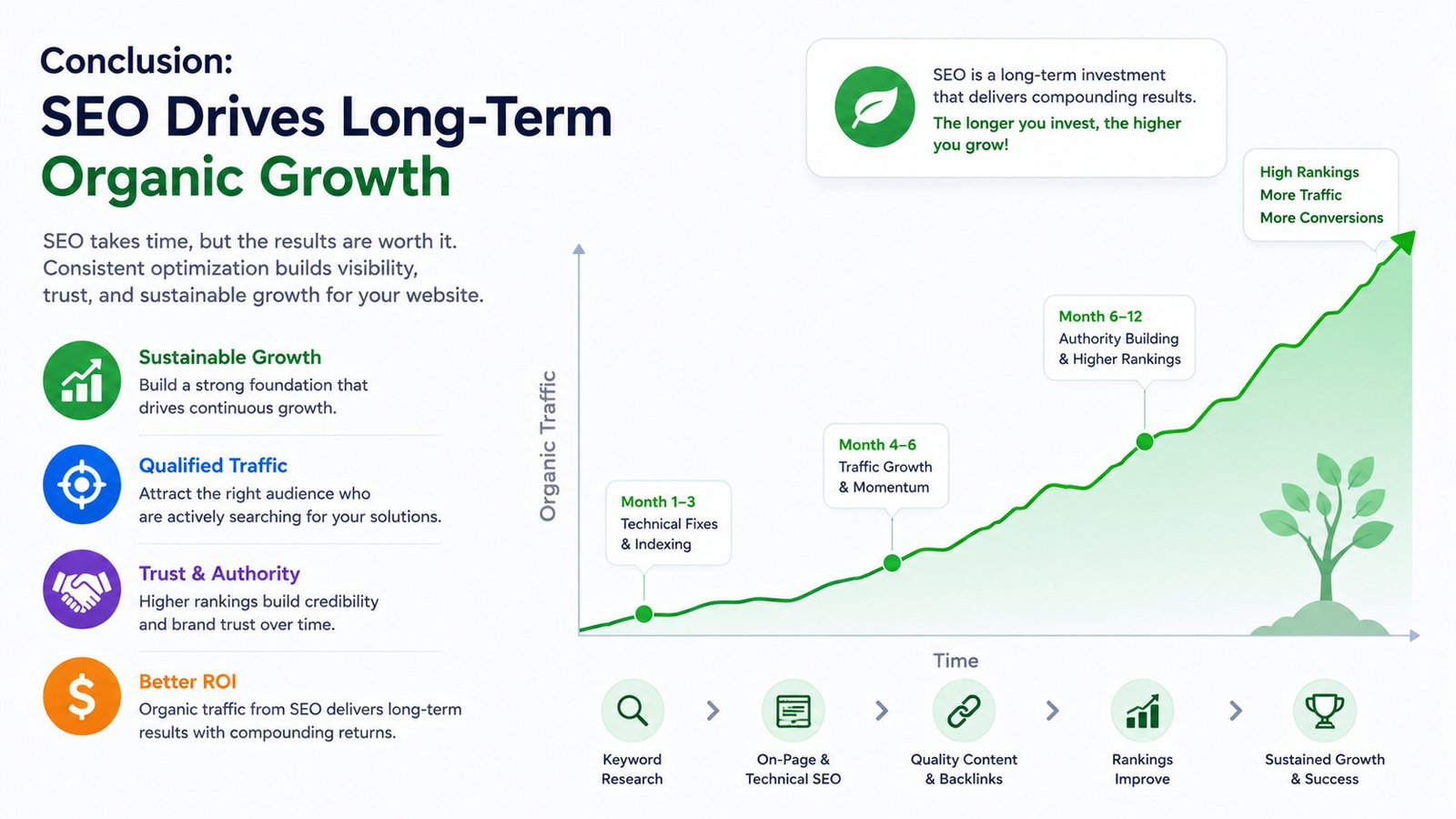
SEO is a long-term strategy that helps websites. It helps with visibility, attracts the right audience, and delivers meaningful business results. Each step in the SEO process helps ensure stronger organic growth over time.
In addition, it requires sufficient patience and consistency to see results. If you are a beginner or learning the basics, it is essential to conduct keyword research, create useful content aligned with search intent, and keep the website technically sound. As you progress, you must focus more on content quality signals to improve performance. In addition to earning backlinks, you must track performance with SEO tools to improve the organic search results.
A successful SEO is a combination of consistency and strategy. From running a business to a personal website, investing in SEO can not only boost long-term visibility but also increase traffic and open new opportunities.


Words And Cappuccinos
Words And Cappuccinos is a trusted full-service digital agency specializing in content, marketing, and design. Check out our insightful articles, practical tips, and industry trends to grow your brand smartly.