Startup Content Writing: Trends Every Startup Should Follow in 2026
Startup content writing in 2026 is no longer about publishing frequent blogs—it’s about building structured authority ecosystems that drive qualified leads. This blog explains the exact trends startups must follow, including experience-led content, topic clusters, bottom-of-funnel strategy, AI-assisted execution, and decision-focused frameworks. Drawing from practitioner insights at Words And Cappuccinos, this guide outlines how startups can turn content into a scalable growth engine rather than a visibility experiment.
Introduction: Why 2026 Will Redefine Startup Content Strategy
Content writing is no longer a “brand-building side activity.” In 2026, it is a core revenue engine for startups.
With AI-generated noise flooding the internet, search engines and buyers are prioritizing depth, authenticity, and demonstrated expertise. Startups that treat content strategically—rather than tactically—will dominate organic acquisition, build investor confidence, and shorten sales cycles.
But here’s the reality: publishing more content is not the solution. Publishing structured, experience-led, decision-focused content is. Investors now evaluate digital authority. Buyers compare expertise before booking calls. And search engines reward brands that demonstrate real-world insight—not recycled information.
At Words And Cappuccinos, after working with thousands of businesses across industries, we’ve observed a clear shift: startups that implement structured content ecosystems consistently outperform those relying on scattered blogging efforts. Authority compounds when content is built intentionally.
In this evolving landscape, startups must move from random publishing to authority-building ecosystems that combine SEO precision, strategic positioning, and trust signals.
This guide breaks down the most critical startup content writing trends for 2026, written from a practitioner’s perspective—not a surface-level summary.
Why Most Startup Content Fails (And How to Avoid It)
Early-stage companies often:
- Publish inconsistent blogs
- Outsource without strategic briefs
- Chase keywords instead of intent
- Avoid bottom-of-funnel content
- Skip internal linking frameworks
The result?
Traffic without authority. Visibility without conversions.
The solution in 2026 is clarity, structure, and positioning.
Trend #1: Experience-Led Content (Not AI Noise)
AI can generate content. It cannot generate authority.
Search engines are prioritizing Experience signals more aggressively than ever.
At Words And Cappuccinos, we’ve seen startup blogs perform significantly better when they include:
- Founder insights
- Real campaign learnings
- Industry-specific breakdowns
- Decision-making frameworks
What This Looks Like in Practice
Instead of writing:
“SEO helps startups grow.”
We write:
“For a seed-funded SaaS client, restructuring content into 3 revenue-aligned clusters increased organic demo bookings by 41% within five months.”
Specificity builds trust.
Trend #2: Strategic Content Clusters Over Random Publishing
One-off blogs don’t build search authority.
Content ecosystems do.
The 2026 Structure:
Pillar Page: Startup Content Strategy
Supporting Articles:
- SEO for SaaS Startups
- Content Funnel for B2B Founders
- Content Writing Budget Breakdown
- Startup Case Study Examples
Every article internally links back to the pillar — building topical authority.
This is the structured model our team implements for growth-focused startups.
Trend #3: Bottom-of-Funnel Content Drives Qualified Leads
Top-of-funnel traffic is vanity.
Bottom-of-funnel content drives revenue.
High-impact 2026 formats include:
- Cost breakdown pages
- Service comparisons
- “Best for” guides
- Industry-specific landing pages
Example topics we recommend to startups:
- Content Writing Cost for Early-Stage Startups
- In-House vs Agency Content Team
- SEO Agency vs Freelancers: What’s Better for Startups?
These pages convert because they answer buying-stage questions.
Trend #4: Decision-Driven Frameworks Win Trust
Serious buyers want structured thinking.
That’s why decision matrices, comparison tables, and pros/cons breakdowns increase dwell time and conversions.
Example Decision Table:
| Factor | In-House Team | Content Agency | Freelancers |
|---|---|---|---|
| Scalability | Low | High | Medium |
| Strategic Input | Medium | High | Low |
| Long-Term ROI | Medium | High | Variable |
This kind of content positions your brand as a strategic advisor, not just a writer.
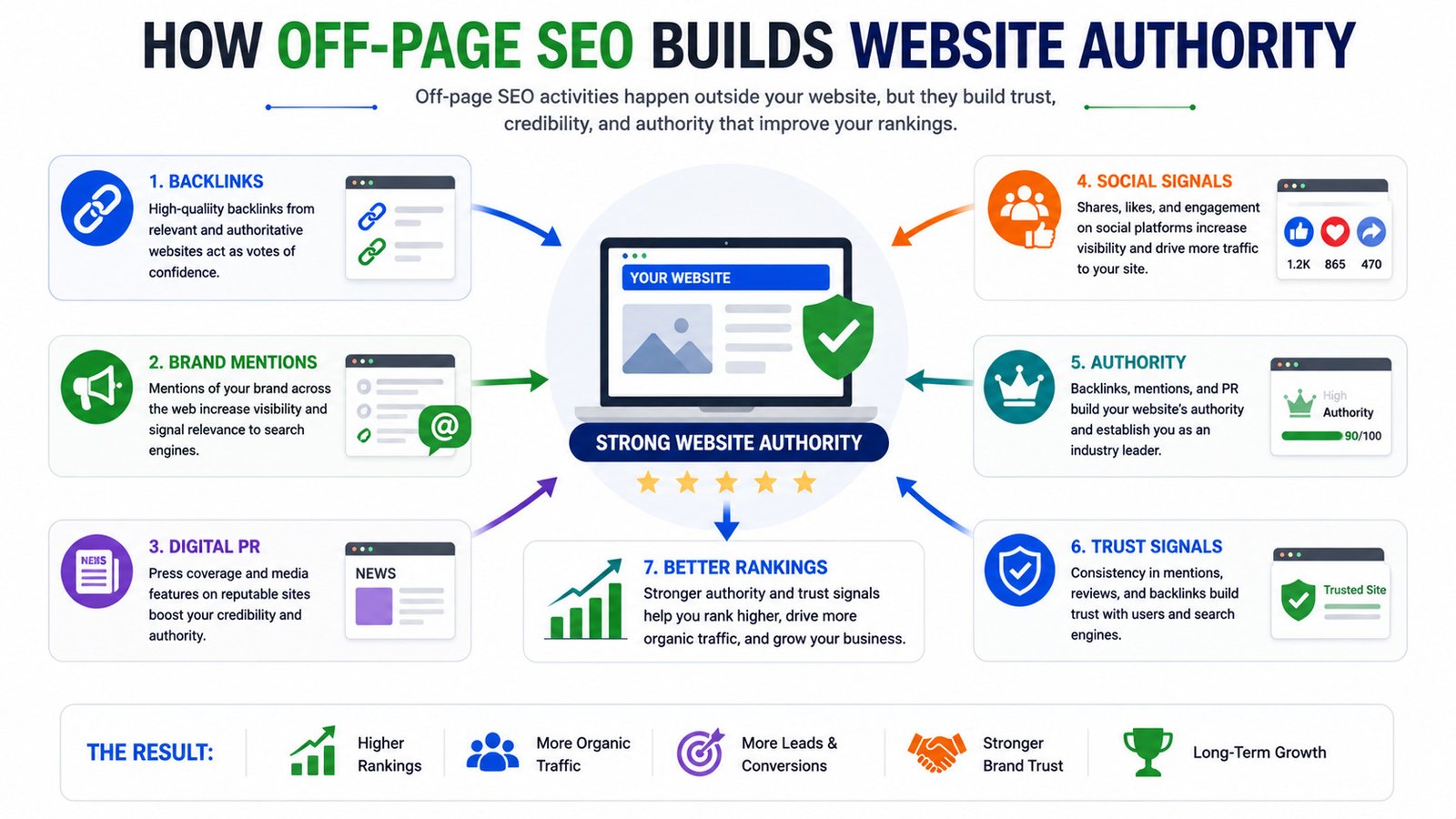
Trend #5: Founder Authority Is a Ranking Signal
Founder-led content builds credibility.
Search engines now look at:
- Author bios
- Industry relevance
- Cross-platform presence
- Thought leadership consistency
For startups, this means:
- Publishing opinion-driven insights
- Adding expert commentary in blogs
- Creating linked authority between website and LinkedIn
This is especially powerful for B2B startups.
Trend #6: AI-Assisted, Human-Led Execution
AI will accelerate content production in 2026.
But startups that publish raw AI content will struggle.
The winning formula:
AI Draft → Strategic Refinement → Expert Positioning → SEO Optimization
At Words And Cappuccinos, AI is used for research acceleration, not final publishing.
Human strategy remains central.
Trend #7: Content That Addresses Objections
Authority increases when you address buyer hesitation.
Include:
- Who this is NOT for
- Common mistakes
- Budget expectations
- Timeline realities
Who This Approach Is NOT For
- Startups expecting overnight SEO growth
- Teams unwilling to invest in consistent publishing
- Businesses looking for 100% AI-generated solutions
Transparency builds trust — and qualified leads.
Trend #8: Multi-Format Authority Building
In 2026, startups will not rely on blog traffic alone.
Winning brands will:
- Repurpose blogs into LinkedIn thought leadership
- Convert pillar pages into downloadable guides
- Create short-form insights for social media
- Build email sequences around high-performing blogs
Content becomes an ecosystem — not a single asset.
Common Mistakes Startups Must Avoid
- Publishing without a content roadmap
- Ignoring search intent
- Over-optimizing for keywords
- No internal linking structure
- No author credibility
- No quarterly content updates
The 2026 Startup Content Blueprint
Here’s the framework we recommend:
Step 1: Identify Revenue-Aligned Keywords
Focus on commercial and comparison queries.
Step 2: Build 3–5 Pillar Clusters
Each pillar supported by 8–12 blogs.
Step 3: Create Conversion-Focused Pages
Cost pages, comparison pages, service breakdowns.
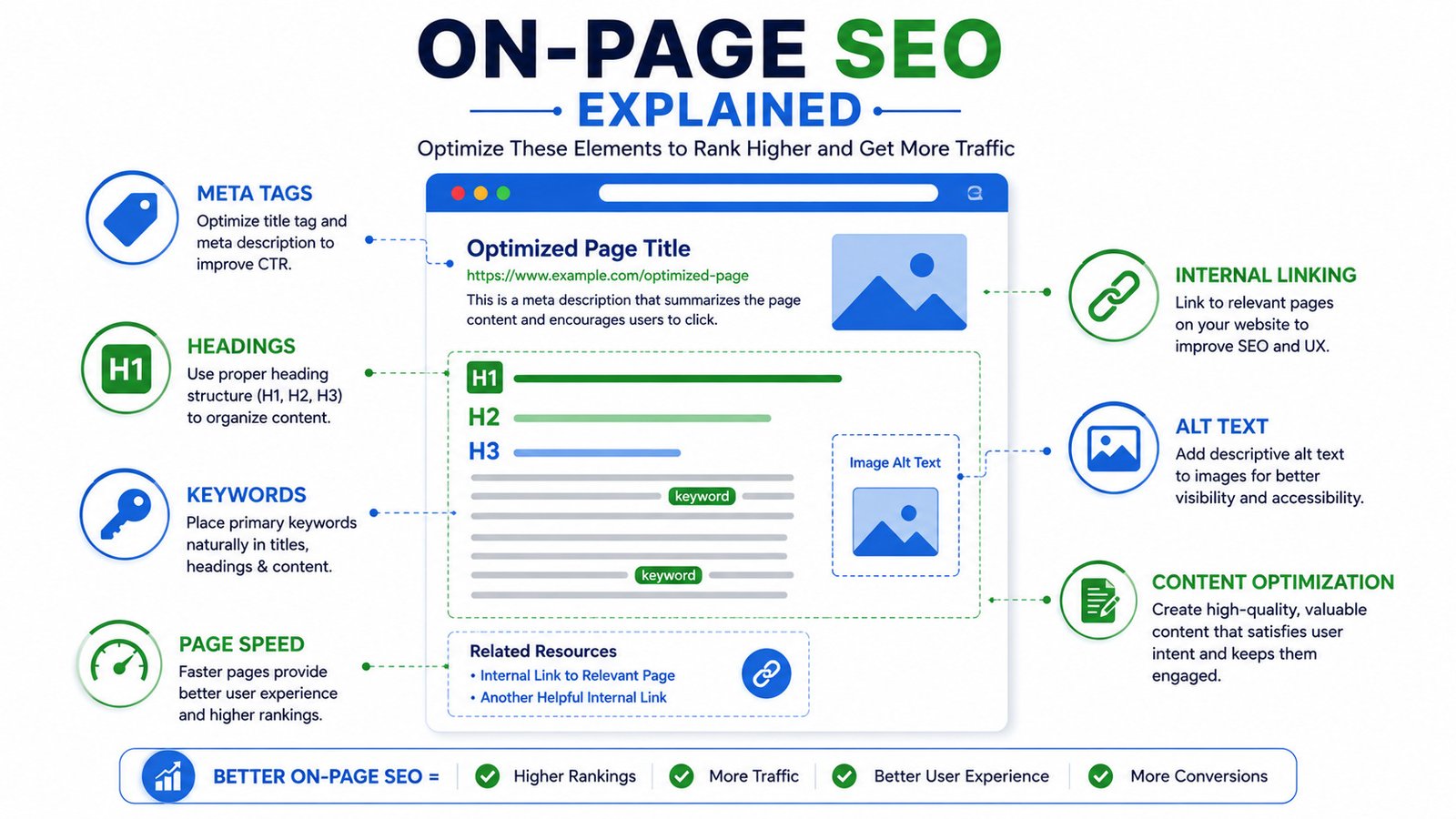
Step 4: Optimize Internal Linking
Contextual linking within first 300 words.
Step 5: Quarterly Refresh Strategy
Update data, stats, examples, and FAQs.
FAQs: Startup Content Writing in 2026
How long does startup SEO content take to show results?
Typically 3–6 months with structured publishing.
Is AI content safe?
AI-assisted content is safe. Low-value, generic content is not.
How many blogs should startups publish monthly?
Quality matters more than quantity. 4–8 strategic blogs outperform 15 random ones.
Should startups outsource content writing?
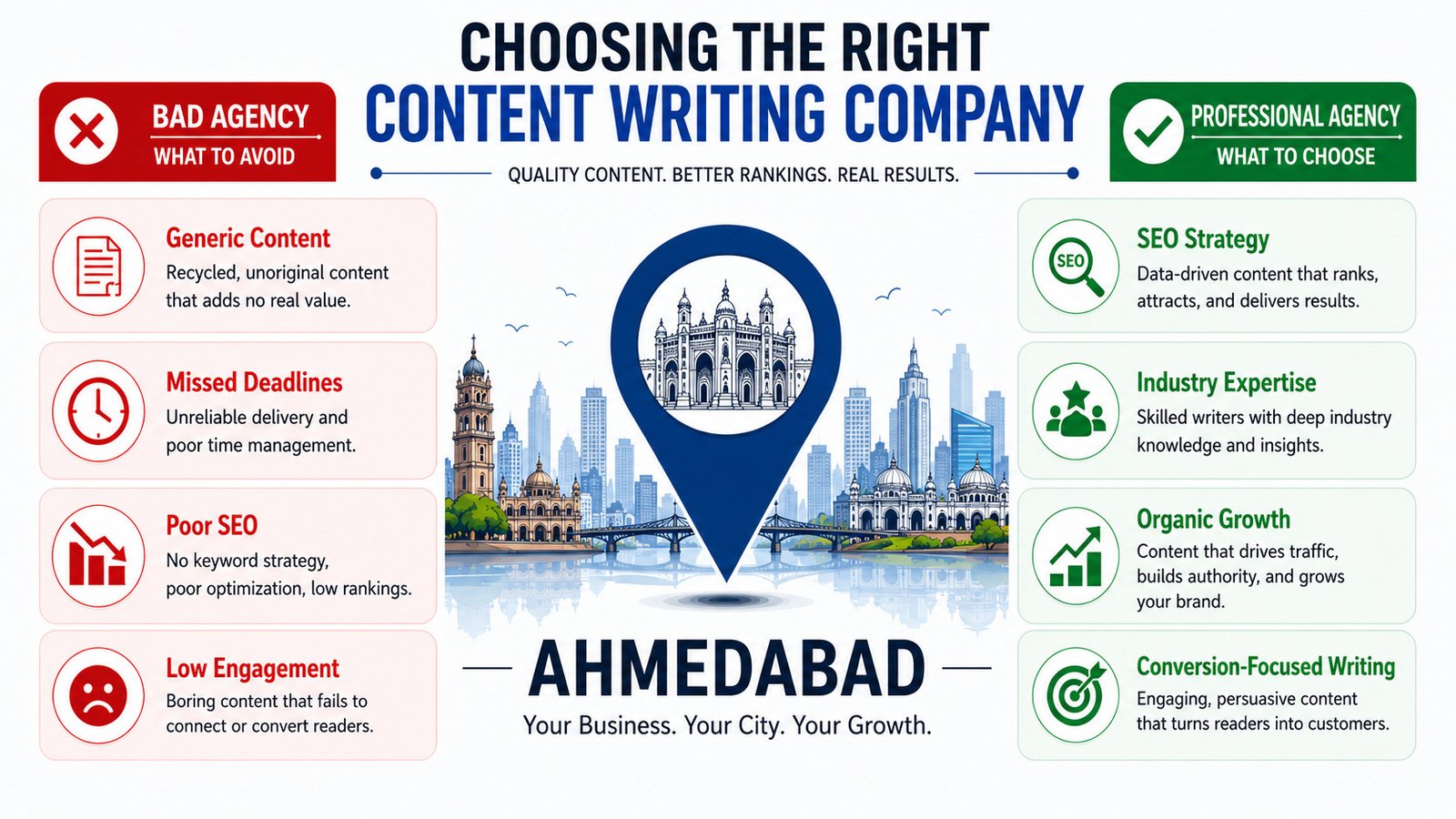
Outsourcing to professional content writing agency in India works best when aligned with clear positioning, strategic briefs, and defined goals.
Why Strategic Content Writing Matters in 2026
In crowded digital markets, authority compounds.
Startups that:
- Publish structured content
- Demonstrate expertise
- Address buyer objections
- Focus on decision-stage queries
…will dominate their niche organically.
Content is no longer about filling a blog section.
It’s about building a scalable authority engine.


Words And Cappuccinos
Words And Cappuccinos is a trusted full-service digital agency specializing in content, marketing, and design. Check out our insightful articles, practical tips, and industry trends to grow your brand smartly.