How to Structure Website Content for Maximum Engagement?
Users may first arrive to your website via SEO, ad or referral. Eventually, though, engagement is also what keeps people from leaving.
Structure is sometimes the hidden variable of performance. Strong content does not work in absence of clarity and flow. In contrast, good structured content has people scrolling, reading and acting.
Good website content writing is about more than just picking the right words. It’s having the words written in a manner that leads users naturally toward an outcome.
This is how to structure content on a website for maximum user engagement and results:
Start With a Clear Page Goal
Every page of the website must serve a single primary purpose.
Your homepage builds trust. Service pages drive inquiries. About pages establish credibility. Landing pages convert targeted traffic.
The page that seeks to do everything does nothing well normally.
Before website content writing, define the goal. Once that objective is established, every section should support it. Remove distractions. Eliminate unnecessary information. Keep the page focused.
Craft a Strong Opening
The first 100 words matter more than most companies understand.
Visitors make snap judgments as to whether your content is relevant. They leave if you can’t make your introduction sufficiently interesting.
When users arrive, skip the generic introductions. Address directly to your audience. Prove to them you understand their problem.
If you have a page on website content writing, start by solving poor engagement, unclear messaging and bad conversions.
A high bounce rate will decrease scrolling and depth on your page.
Use Clear Headings to Guide Readers
Unfortunately, headings are not just visual appeal. They are navigation tools.
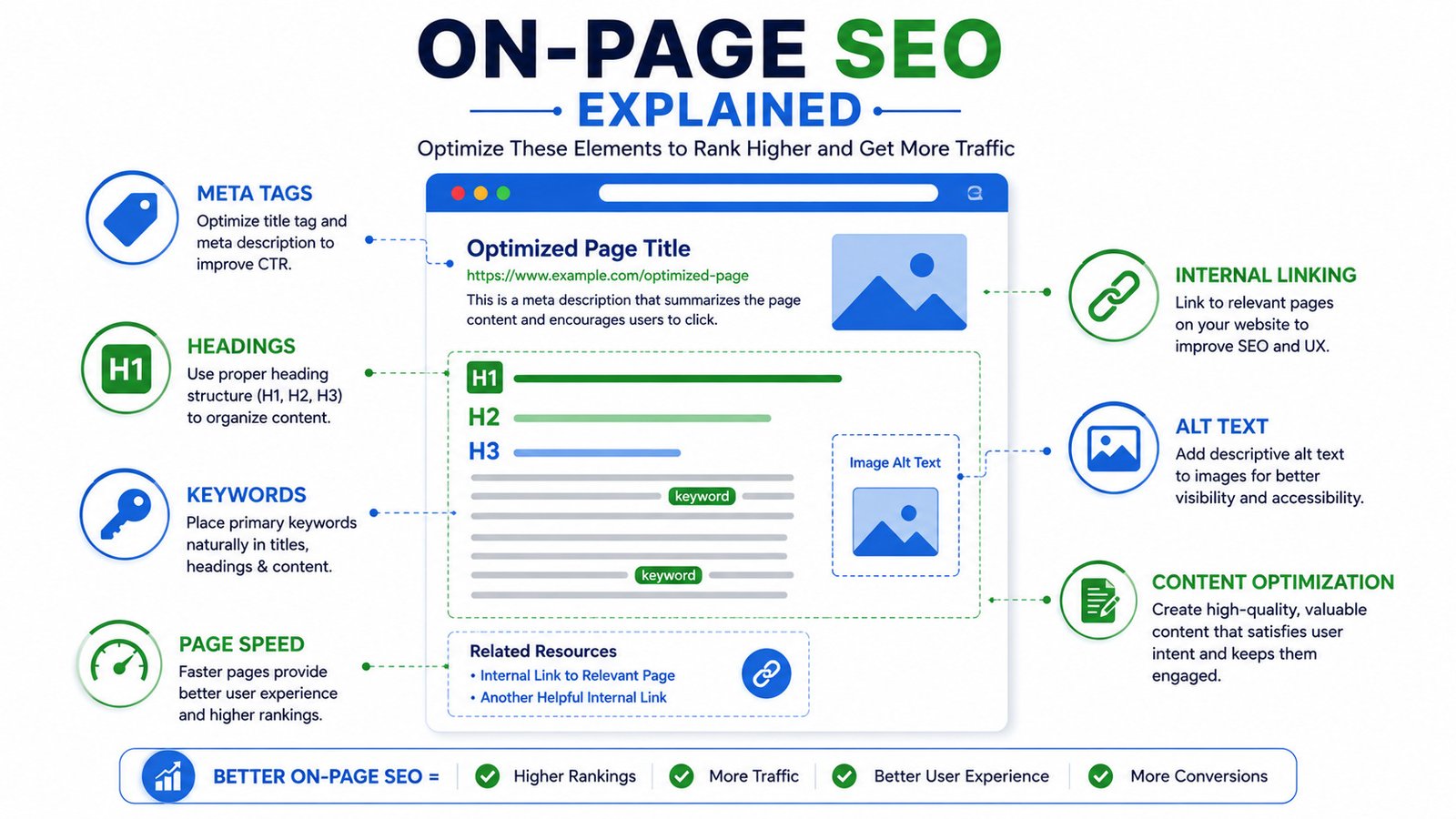
Users scan before they read. Clear H2 and H3 headers help the rest fly through to find what really matters. Each heading should communicate value. Avoid vague labels. Make them specific and purposeful.
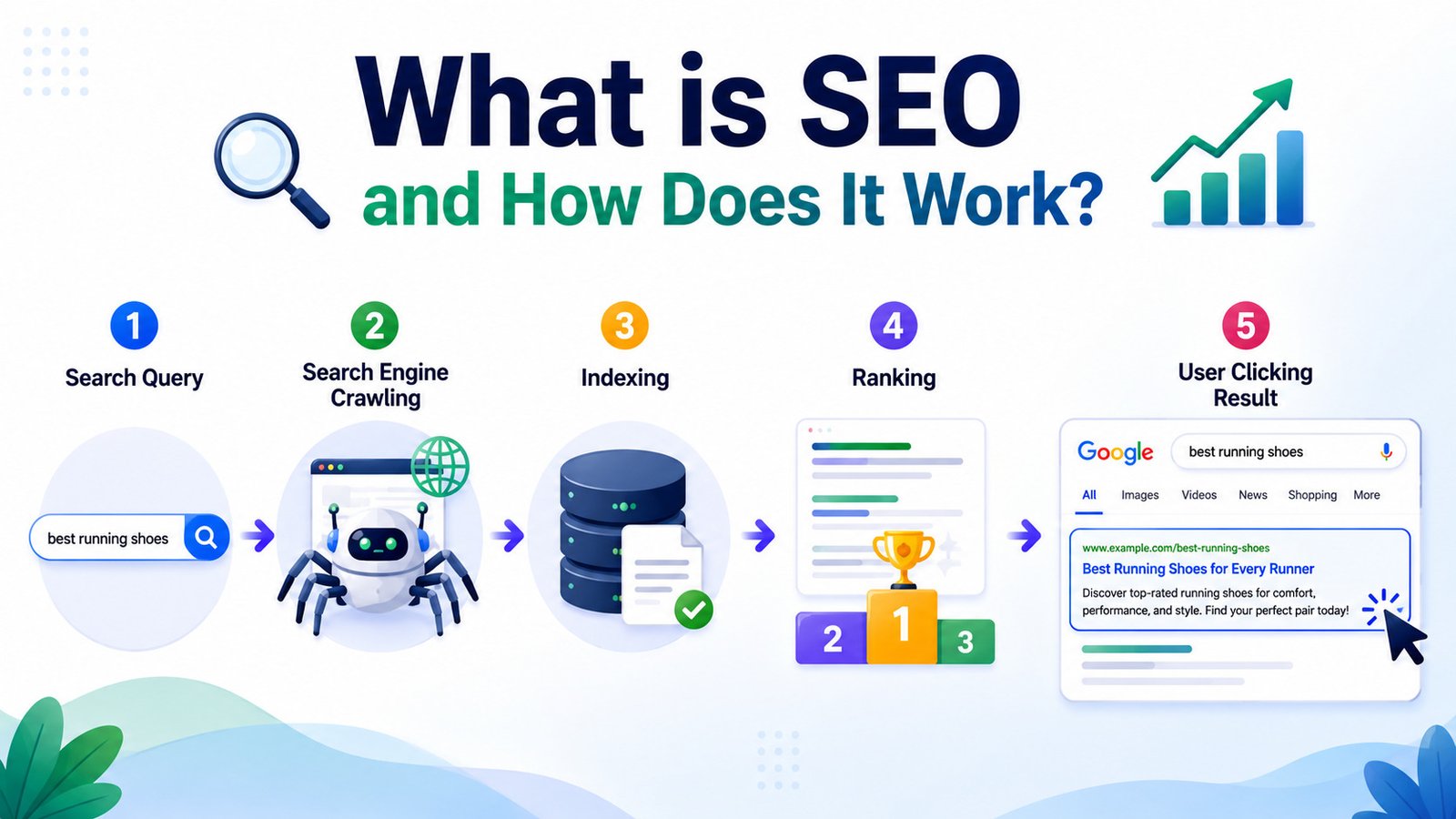
Search engines need heading structure in order to understand your web page. A hierarchy is good for both SEO and your readers (this is just common sense).
Keep Paragraphs Short and Focused
Engagement lessens with long walls of text. Good content isn’t good enough if it’s shown in giant blocks of text.
Short paras are nice on the web and especially best for mobile. They give your eye a space to rest and make scanning easier.
Write only one idea per paragraph. If a thought feels long, fragment it in two.
Clarity keeps users comfortable. Comfort keeps them reading.
Present Benefits Before Details
Lots of websites hang their content on features. The websites that convert well have content organized around benefits.
Rather than describe what you do, start by describing what the user gets.
Users care about outcomes. They want solutions, not descriptions.
Instead of “I do SEO content writing”, you should rather be telling how your content helps them boost their visibility and bring in even more qualified website traffic.
When value occurs upfront in each part, users don’t get bored because of relevance that’s present right away.
Create a Logical Flow
Structure should be so natural that you barely notice its presence.
A good web page frequently is developed in a simple order. It starts with a problem. It explains the impact. It introduces the solution. It builds trust. It invites action.
Sections that feel random or disjoined cause users to lose focus.
Good structure creates momentum. Every section flows into the next one seamlessly.
The streamlined nature of this flow minimizes confusion and increases confidence.
Integrate Strategic Calls to Action
CTAs shouldn’t be just at the end of your content.
Organize your content in such as a way that it seems natural to take action.
After detailing the benefits, invite people to read through services. After building credibility, encourage consultation. After the complaints have been resolved, recommend getting in touch. CTAs need to match your reader’s awareness. Strategically placed so they feel supportive, not pushy.
Maintain Consistency across Pages
Structure is also about consistency.
When one page feels professional and one muted, the experience is jarring.
Uniformity in tone, layout, and pace make for a smooth ride. Your site feels like a place users can trust because it all fits.
Professional website content writing keeps everything structured between the homepage, service pages and blogs.
Consistency builds familiarity. Familiarity builds trust.
Design for Both Humans and Search Engines
Again, the most engagement is received when your setup benefits your users as well as search engines.
Search engines prefer clarity. They are searching for tightly-focused topics, logical headers, and appropriate internal links.
Users prefer simplicity. They want answers without effort.
If those structures can simultaneously serve both audiences, performance simply improves.
Stronger SEO signals gives better engagement. Better SEO results in more targeted and higher quality traffic.
Final Thoughts
Adding more words isn’t the key to structuring articles on your website for maximum engagement. It’s just the process of organizing information in a way that is more intuitive and purposeful to me.
Sharp objectives, powerful openings, logical progressions, short paragraphs and benefit-led copy equal pages that work.
When used strategically, website content turns into more than information. It becomes a conversion tool.
Words And Cappuccinos organizes content on the website in such a manner that it focuses and helps users, built brand and accountable results.
Because you can’t leave engagement to chance. It only takes place by design.
FAQs: How to Structure Website Content for Maximum Engagement?
1.Why is structure of website content so crucial for SEO?
The way you structure your website content can help search engines comprehend topic hierarchy while improving readability for human readers while fostering a positive user experience is always going to be a good thing!
2.What is the perfect paragraph length for website engagement?
Small paragraphs like 2-4 lines are perfect for the best reading/scanning experience, particularly on mobile.
3.Does your content format impact how well it converts?
Yes. Seamless flow, benefit-oriented sections and well-planned CTAs take users through the journey to call them for action leading to conversions.
4.How do I structure my service page?
A great service page usually has a goal statement, introduction, benefits or explanation of process, trust factors (why you should be the one they hire), FAQs and call-to-action.
5.Why does internal linking matter for engagement?
Internal linking drives users to navigate towards related pages on the website, increases session time and fortifies SEO signals.
6.Is website copy written differently for AI search?
Content must have clear headings and answers, coherence and sections so that AI systems can easily grab segments and chunks to summarize.


Words And Cappuccinos
Words And Cappuccinos is a trusted full-service digital agency specializing in content, marketing, and design. Check out our insightful articles, practical tips, and industry trends to grow your brand smartly.